Understanding Peptide Reconstitution and Measurement
Peptides are gaining massive popularity in health, fitness, and skincare circles for their ability to promote muscle recovery, improve skin elasticity, and support various biological functions. However, before reaping their benefits, it’s essential to properly mix peptides with bacteriostatic water — a process known as reconstitution. Getting this step right is crucial for maintaining the integrity, potency, and safety of your peptides.
Improper peptide measurement or mixing can lead to inaccurate dosing, contamination, or degraded compounds. This not only wastes your investment but can also cause unwanted side effects. That’s why understanding how to accurately measure and reconstitute peptides is one of the most important skills for any peptide user.
At Pacific Peptides, we make this process easier with our very own Peptide Mixing Calculator — a user-friendly tool designed to help you determine the correct amount of bacteriostatic water to add and how to measure doses accurately. But before you use the calculator, let’s break down the process step by step, so you can handle your peptides with confidence.
Step 1: Understanding the Basics of Peptide Mixing
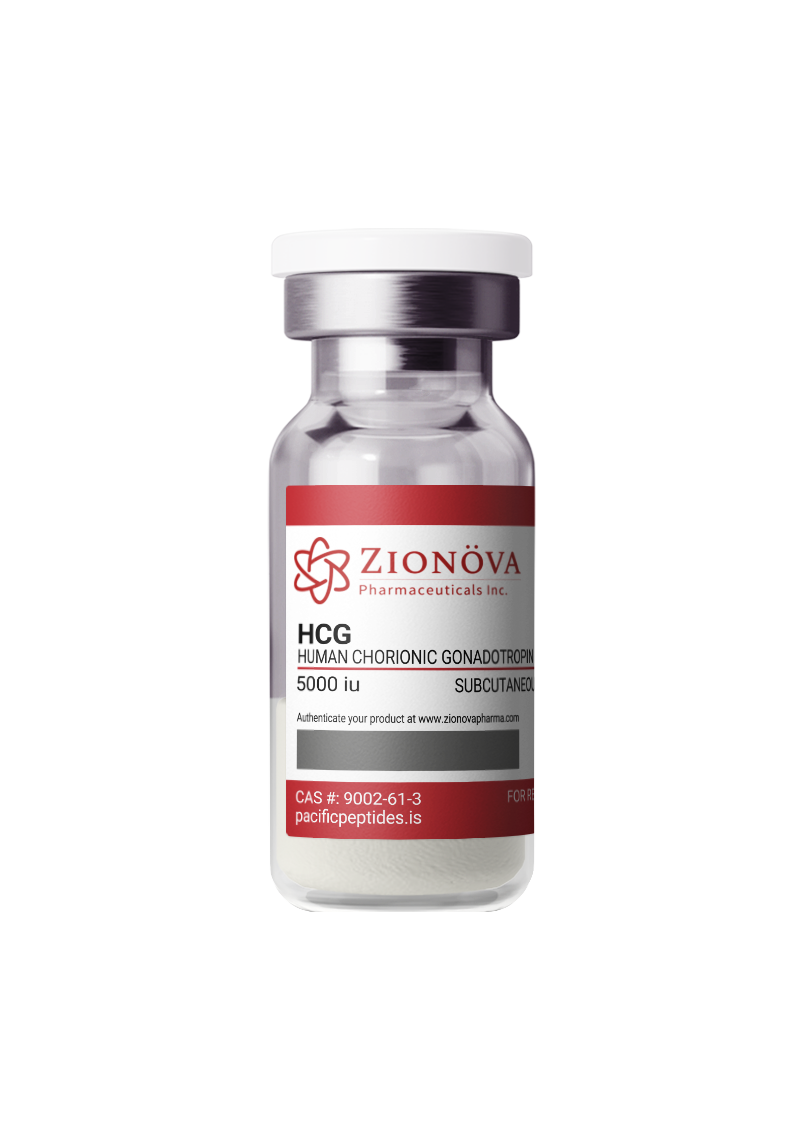
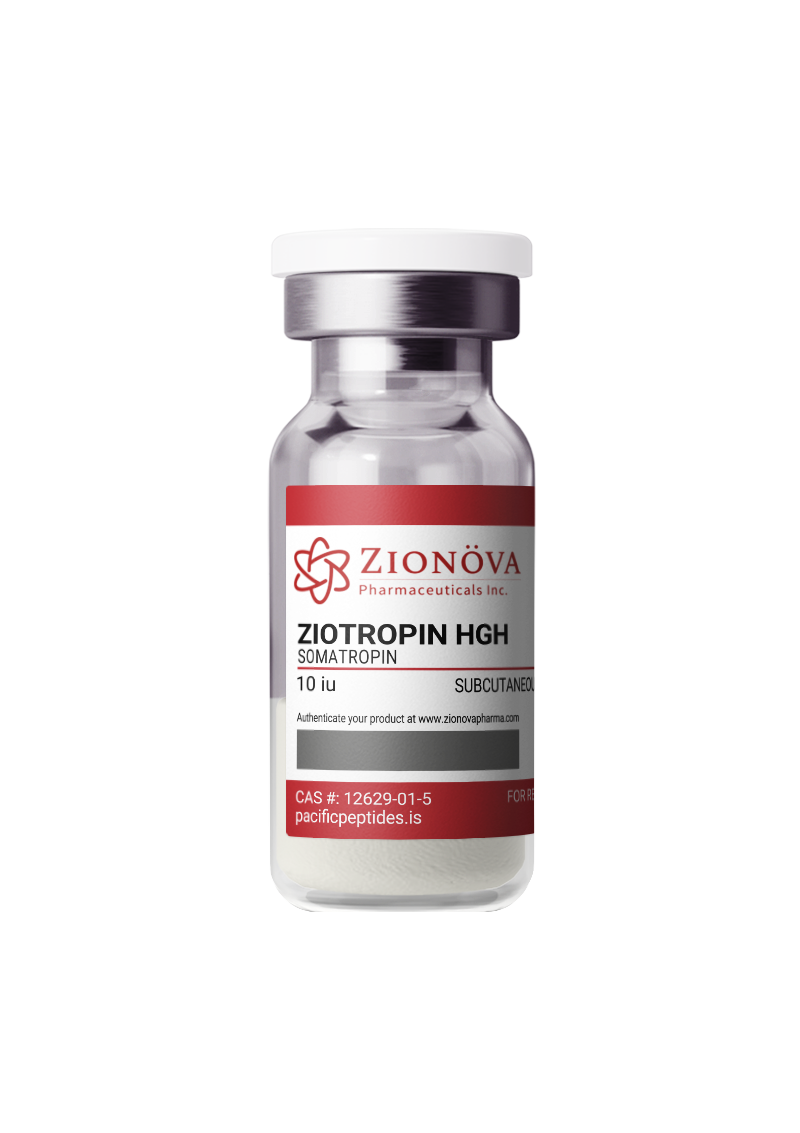
Before diving into the math, it’s essential to understand what’s happening when you mix peptides with bacteriostatic water. Peptides are typically sold in a lyophilized (freeze-dried) form. This powder form ensures the peptides remain stable and preserved until they’re ready for use.
To activate them, you’ll need to add a sterile liquid — most commonly bacteriostatic water, which contains 0.9% benzyl alcohol to prevent bacterial growth and extend the solution’s shelf life.
The amount of bacteriostatic water you add determines the concentration of your final peptide solution. This concentration affects how much of the solution you’ll draw per dose.
- Too much water = diluted solution → larger injection volume per dose
- Too little water = concentrated solution → harder to measure accurately
Here’s where many people go wrong: they mix peptides by “eyeballing” the amount of water or guessing based on anecdotal advice. This can lead to inconsistent dosing — and since peptides are often administered in microgram (mcg) quantities, even small errors can have significant effects.
To ensure safety and effectiveness:
- Always use sterile bacteriostatic water rather than plain distilled water.
- Use a sterile syringe to inject the water into the peptide vial.
- Roll gently between your fingers to dissolve — avoid shaking vigorously.
- Store reconstituted peptides in the refrigerator (2–8°C).
Step 2: How to Calculate Peptide Dosages Accurately
Now that you know why accurate measurement matters, let’s go through the actual calculation process. The goal is to figure out how much bacteriostatic water to add to your peptide vial and how much of the resulting solution you’ll draw per dose.
Example Calculation
Scenario: You have a 5 mg (milligram) vial of peptide, and your target dose is 250 mcg (micrograms) per injection.
Since 1 mg = 1000 mcg, that means your vial contains 5000 mcg of peptide. Suppose you add 2 mL of bacteriostatic water.
Step 1: Find your concentration
5000 mcg (total peptide) ÷ 2 mL (water) = 2500 mcg per mL
Step 2: Determine injection volume
250 mcg (desired dose) ÷ 2500 mcg/mL = 0.1 mL per dose
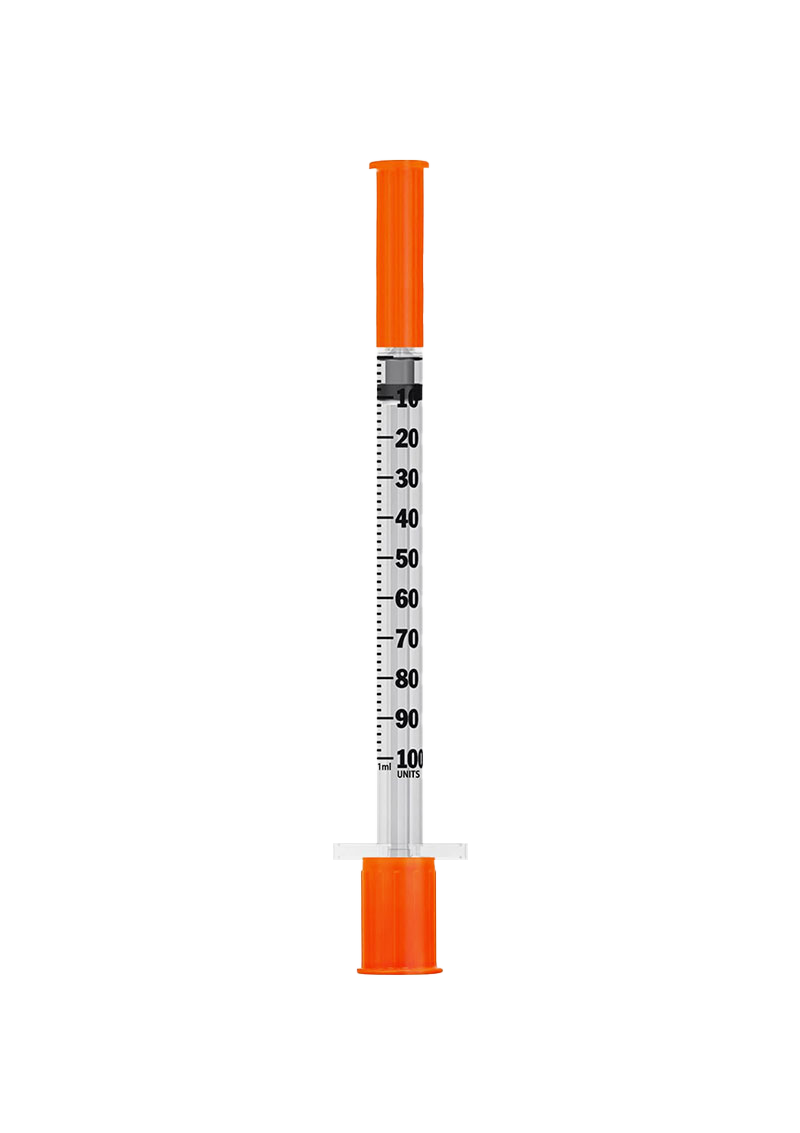
This means you’ll draw 0.1 mL (or 10 units on an insulin syringe) for each 250 mcg dose.
Doing this math manually can be confusing — especially when different peptides have different concentrations or when working with units like IU or mg. That’s why Pacific Peptides’ Peptide Mixing Calculator simplifies the process. Simply choose your peptide, input your peptide’s total amount, the water volume you plan to use, and your desired dosage, and the calculator will instantly give you the correct measurement per injection.
This ensures every dose you take is accurate, consistent, and safe — eliminating the risk of under- or overdosing.
Step 3: Tips for Safe and Effective Peptide Measurement
Measuring peptides correctly is not just about precision — it’s about safety and longevity. Even the most perfectly calculated solution can lose effectiveness if stored or handled improperly. Follow these best practices to make sure your peptides stay potent and sterile:
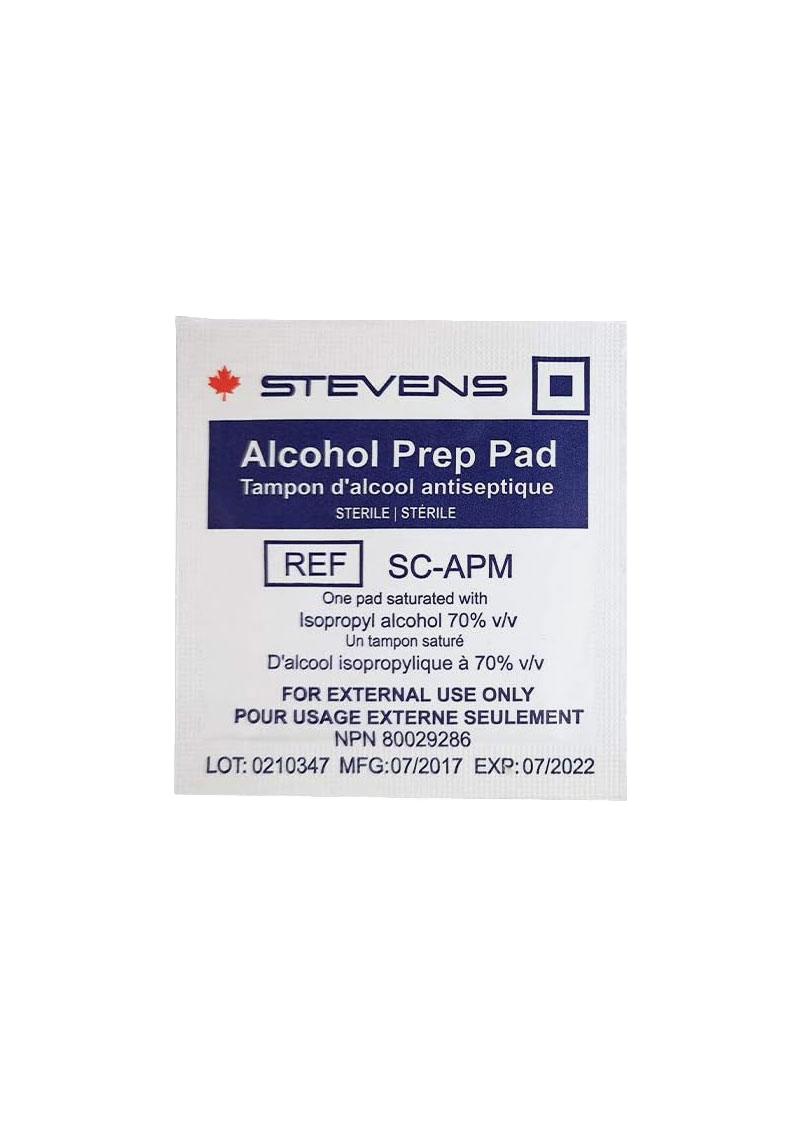
- Use Sterile Equipment: Always use new, sterile syringes and alcohol wipes. Never reuse mixing or injection needles.
- Keep Peptides Refrigerated: Store between 2°C and 8°C (35°F–46°F). Avoid freezing.
- Minimize Air Exposure: Inject water slowly along the vial’s side to reduce bubbling and foaming.
- Label Everything: Write the peptide name, concentration, and date mixed on each vial. Most peptides remain stable for 30–45 days.
- Use the Peptide Mixing Calculator: Visit our Peptide Mixing Calculator to get instant, precise mixing and dosing info.
Proper measurement and consistent dosing not only ensure optimal results but also reduce the chance of side effects like irritation, instability, or loss of potency. Treat peptides as the delicate, high-performance compounds they are — and they’ll deliver the results you’re after.
Conclusion: Precision is Power — Mix with Confidence Using Pacific Peptides
Measuring and mixing peptides may seem intimidating at first, but with the right knowledge and tools, it’s a straightforward process. The key lies in understanding concentration, dosing accuracy, and sterile technique. Never rely on guesswork — precision is the foundation of effective peptide use.
By using bacteriostatic water and following proper reconstitution steps, you’re protecting your investment and ensuring the best possible results. Small mistakes in measurement can lead to large variations in dosage, but that’s easily avoided with the right guidance.
That’s why Pacific Peptides created the Peptide Mixing Calculator — to make accurate dosing effortless for everyone, from beginners to experienced users. With this calculator, you can instantly determine how much water to add and how much solution to draw for your specific dosage goals. No more confusion, no more math — just simple, reliable precision.
Remember: when it comes to peptides, every microgram counts. Mix smart, measure carefully, and let Pacific Peptides help you do it right, every single time.
Have questions? Reach out to our customer support team — we’re happy to help!