$85.00Original price was: $85.00.$68.00Current price is: $68.00.
100% Satisfaction Guaranteed
24/7 Customer Support
Trusted by Thousands
Confidential Packaging
204 in stock
Fast Shipping
Easy Returns
Live Chat Support
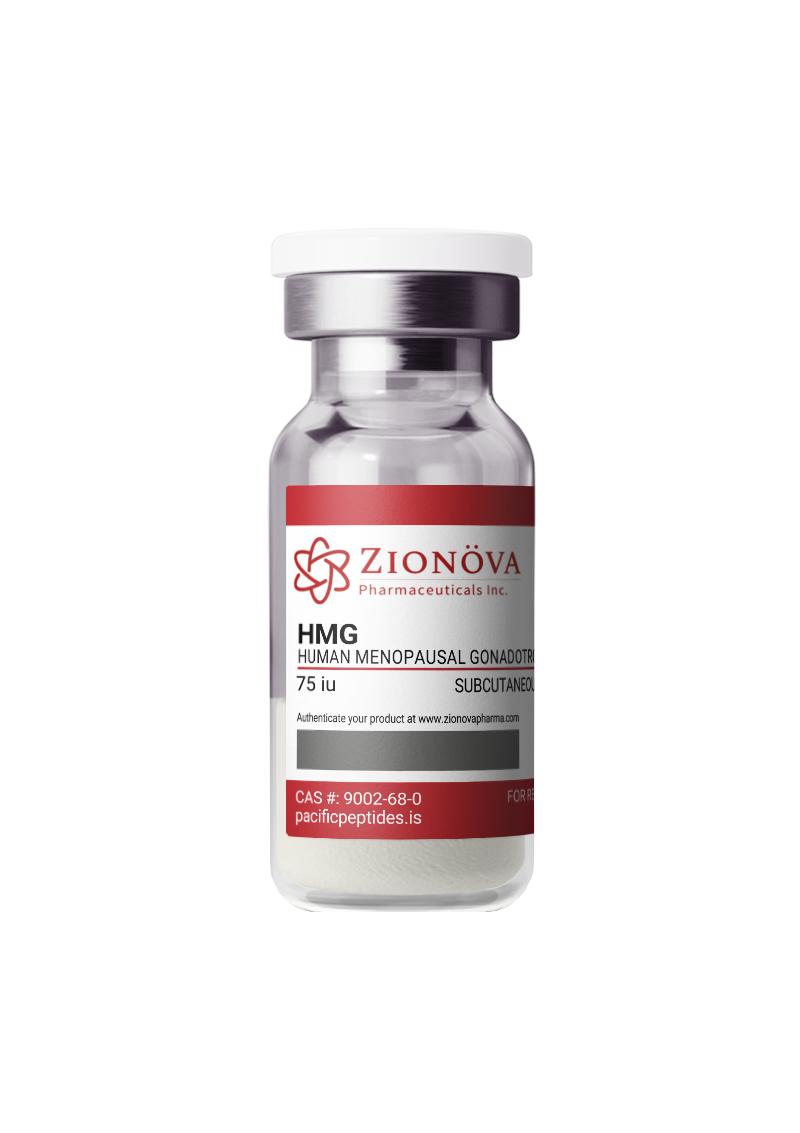
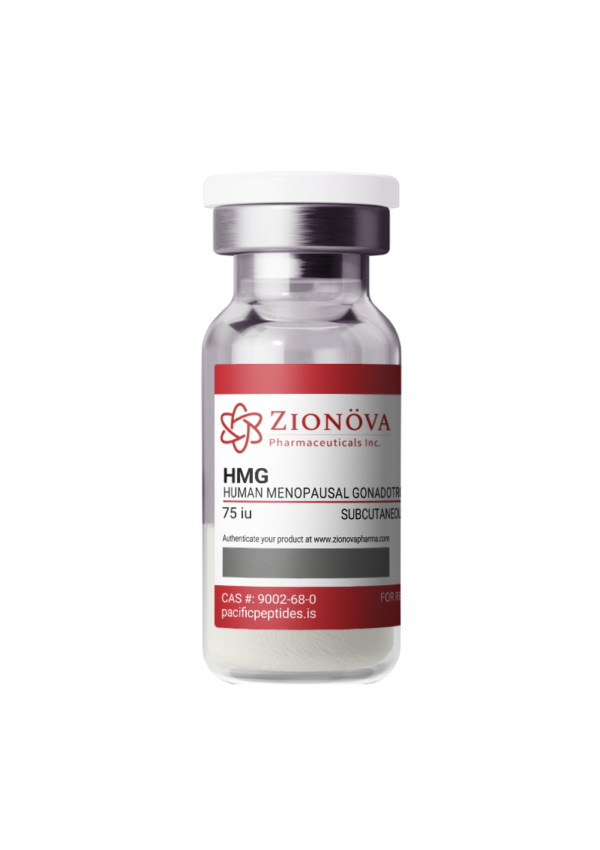
HMG (Human Menopausal Gonadotropin) is most often used on its own for fertility and hormone regulation due to its direct effect on stimulating the ovaries and testes to produce natural sex hormones. It contains both FSH (follicle-stimulating hormone) and LH (luteinizing hormone), making it effective in restoring or supporting reproductive function in both men and women. While it can be combined with other fertility-focused therapies such as HCG or Kisspeptin for enhanced hormonal response, HMG is typically taken independently to precisely control hormone levels and optimize fertility outcomes. Its dual-action profile allows it to serve as a standalone treatment without the need for additional stacking in most cases.
At the standard dose of 75iu, 3 times per week, one vial is used per injection. A common approach is 12 vials per person for a standard 4-week cycle, with 36 or more vials suitable for a full 12-week comprehensive recovery protocol.
Draw 1.0 mL of Bacteriostatic Water USP from the vial.
02
Carefully inject the Bacteriostatic Water into the HMG vial, aiming the stream along the side of the vial and avoiding direct contact with the lyophilized powder.
03
Gently swirl the vial until the powder is fully dissolved and the solution becomes clear. Do not shake the vial vigorously.
04
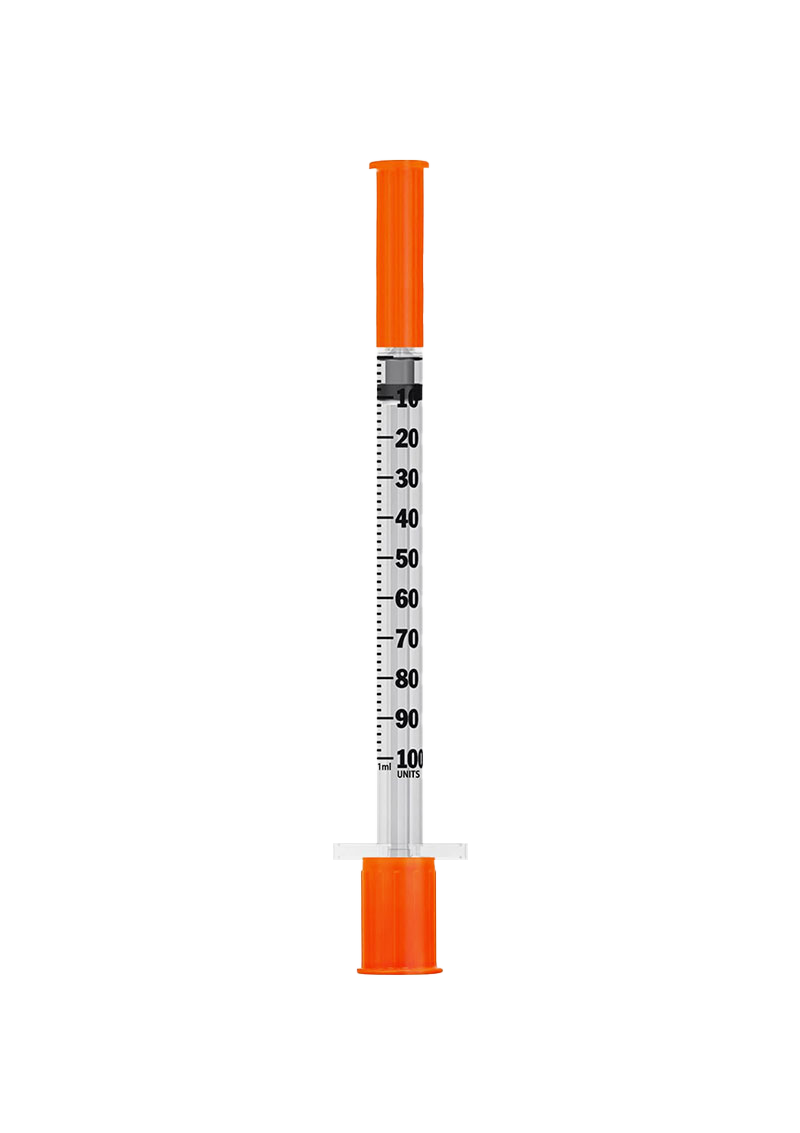
Once mixed, the concentration will be 75iu per mL (75iu per 1mL vial), equating to 7.5iu per 10 units on a standard insulin syringe. Remember, 100 units on the syringe equals 1mL, corresponding to the full 75iu dose.
05
The prepared solution can be administered subcutaneously (SubQ) in the lower abdominal fat area.
06
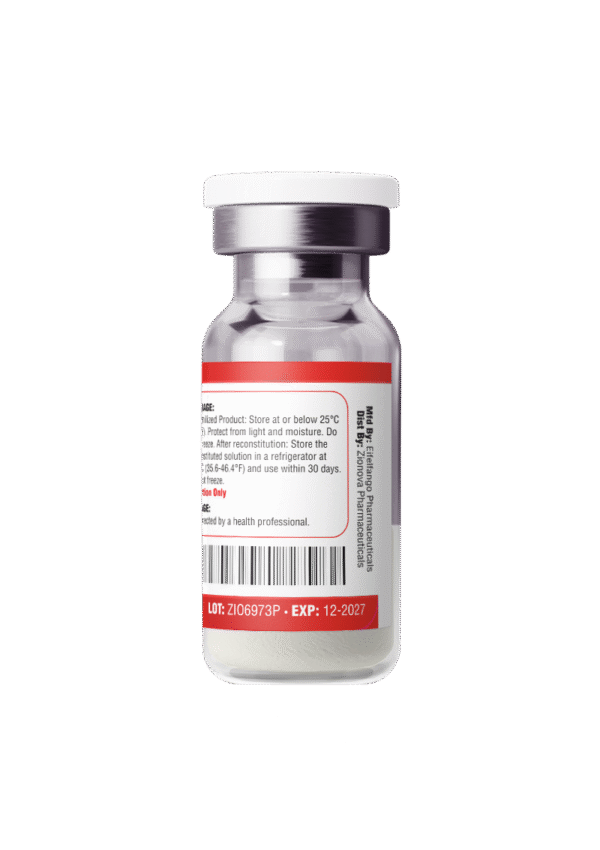
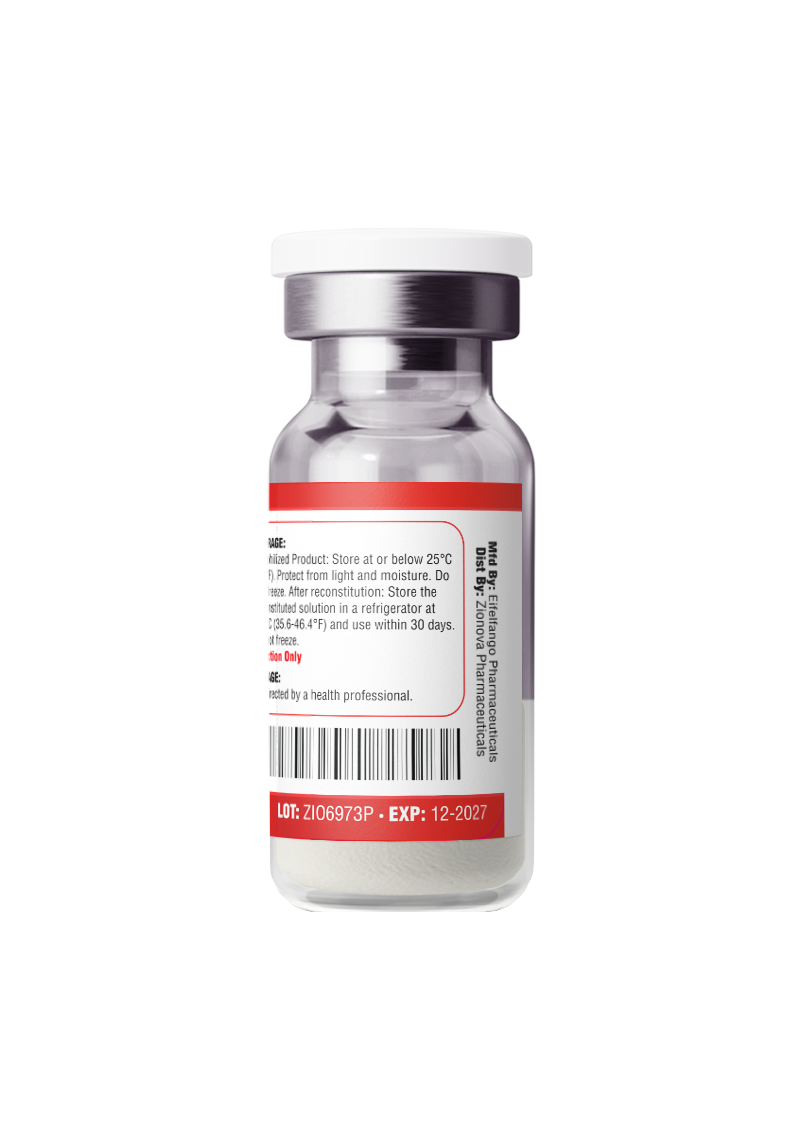
Once reconstituted with Bacteriostatic Water, store the vial in the refrigerator. Use within 60 days to ensure potency and effectiveness.
Side Effects + Considerations
Anabolic steroids present substantial health risks that necessitate careful consideration. Consult healthcare professionals before use to comprehend potential adverse effects, including cardiovascular issues, hormonal imbalances, and psychological impacts. Strictly adhere to prescribed dosages and durations while prioritizing regular health monitoring. Adolescents should refrain from using these substances due to potential growth interference. Opt for alternative fitness methods to prioritize overall health and well-being, and always use under professional supervision.
The use of anabolic steroids demands thoughtful consideration due to serious health risks. Seek guidance from healthcare professionals before embarking on their use to fully understand potential adverse effects. Strictly adhere to prescribed dosages and durations, prioritize regular health monitoring, and avoid use by adolescents to prevent potential interference with growth. Explore alternative fitness methods that prioritize overall health and well-being, and use anabolic steroids only under the supervision of qualified professionals.
WHEN TO TAKE it
HMG is typically administered 2–3 times per week. For those running a fertility or axis recovery stack, it is often scheduled on non-HCG days to provide a distinct signal to the testes. Consistent morning or evening administration is equally effective — weekly frequency matters more than the exact time of day.
For a more consistent hormonal signal, a daily low-dose protocol of 37.5iu every day is an option, keeping FSH and LH levels stable without the peaks and valleys of less frequent dosing.
HMG is frequently stacked with HCG and Kisspeptin for a comprehensive hormonal reboot, providing full-spectrum support across both LH and FSH signalling pathways.
RECOMMENDED SCHEDULE
Low Dose (37.5iu — 50 units): Ideal for baseline fertility support and maintaining follicle-stimulating signalling — can also be used daily for a stable, consistent hormonal signal
Standard Dose (75iu — 100 units / full vial): The standard therapeutic dose for stimulating natural production and fertility support, administered 3 times per week
High Dose (150iu — 2 vials): For advanced protocols requiring maximum pituitary response
Cycle Length: Typically 4–12 weeks, often stacked with HCG and Kisspeptin for comprehensive axis recovery
Before considering the use of peptides, it’s important to speak with a licensed medical professional. They can assess your overall health, explain the potential benefits and risks, and provide tailored advice that fits your personal goals and medical history.
Choose Reputable, Quality Sources
To minimize the risk of contaminated or counterfeit products, source peptides from reputable vendors like Pacific Peptides. Choose trusted suppliers with strict quality standards and a proven track record in the fitness or medical community. You can also check out reviews from our trusted customers to make an informed decision.
Begin Conservatively
When starting peptides, begin with the lowest dose that may offer results. Increase gradually only if necessary, paying close attention to how your body responds and watching for any unwanted effects along the way.
PRIORITISE RECOVERY & MONITORING
Peptide protocols should be supported by proper recovery and regular self monitoring. Prioritizing sleep, nutrition, hydration, and stress management helps maximize results while reducing the risk of unwanted effects. Allowing adequate time between cycles supports long term metabolic health and overall well being.
Dosage (Male)
75–150 IU
Dosage (Female)
75–225 IU
Dosage Frequency
2-3 times per week
Dosage Type
Subcutaneous Injection
Active Half-Life
24–36 hours
Chemical Name
Human Menopausal Gonadotropin (HMG)
Stack With...
HCG, Kisspeptin
Post-Cycle Therapy
N/A
Our Vision
10+ Years of Peptide Expertise
At Pacific Peptides our mission is to offer you access to the highest quality peptides, helping you achieve the physique and fitness goals you’ve always dreamed of. Each of our peptides is designed to enhance overall well-being, boost performance, and promote vitality. With over ten years of experience in peptide formulation, Pacific Peptides offers a wide range of products to help you reach your full potential.
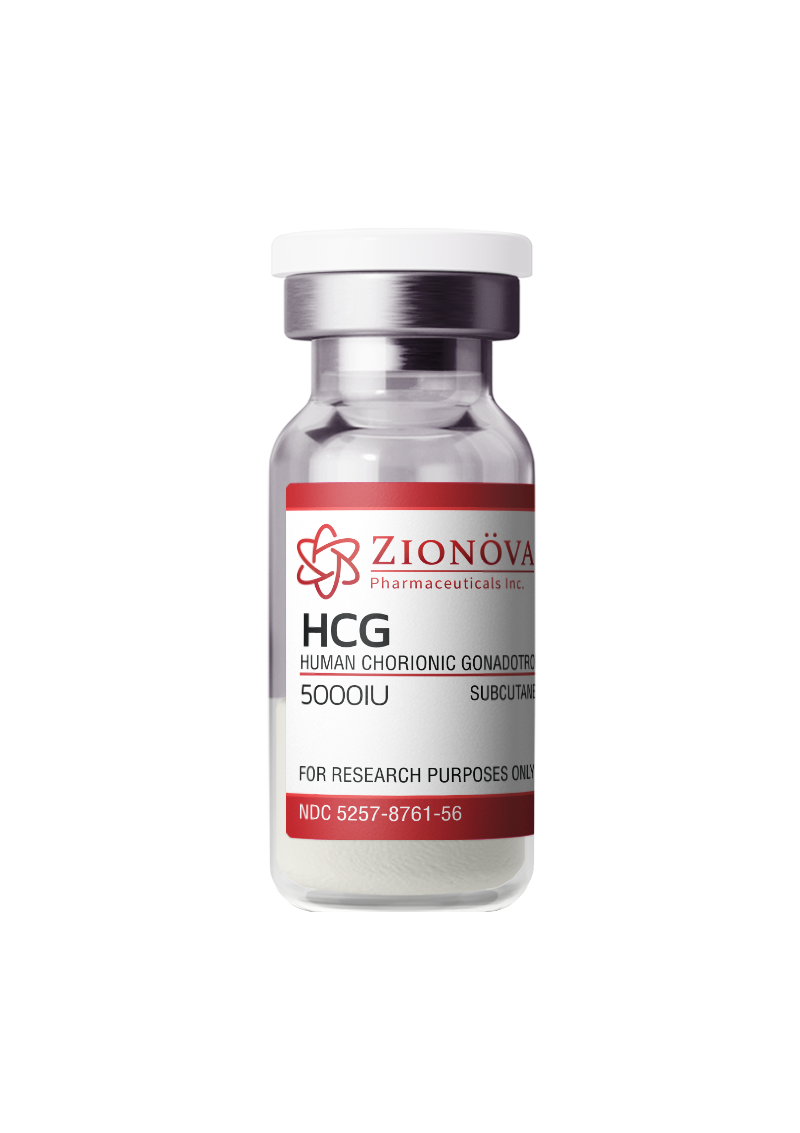
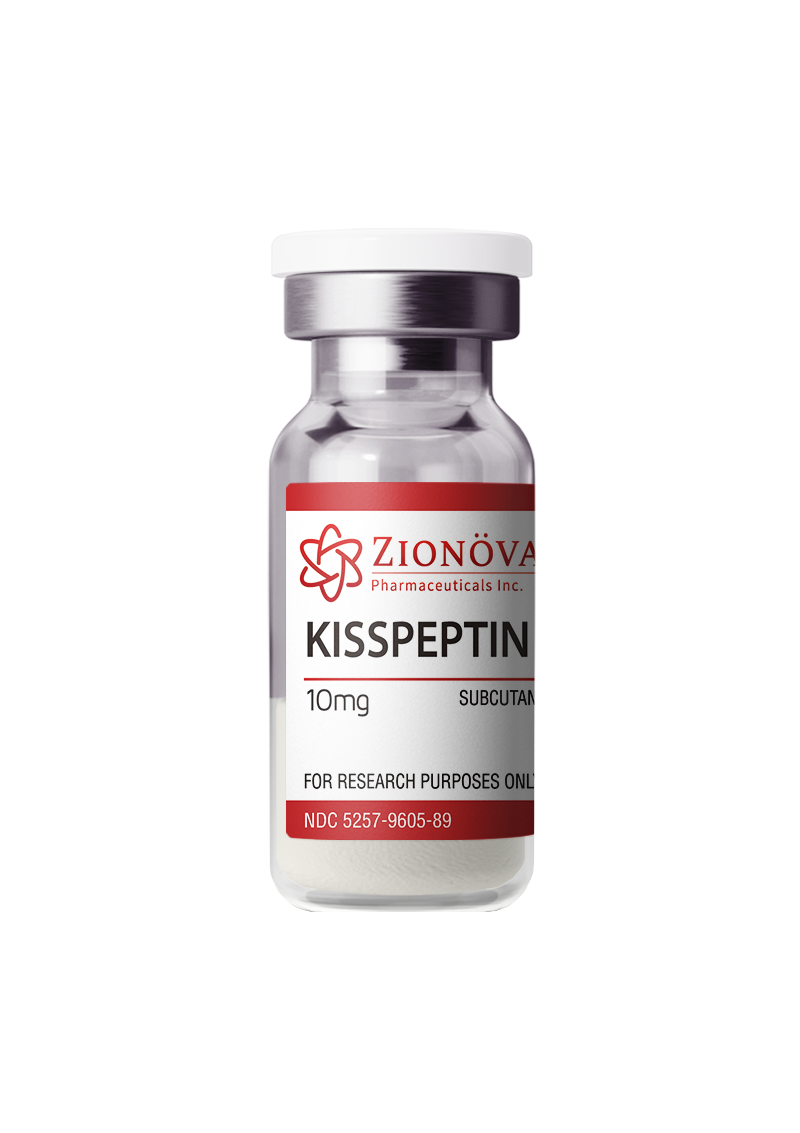
HMG is often combined with hHCG and Kisspeptin to create a synergistic effect on fertility, hormone regulation, and reproductive health. While HMG provides both FSH and LH to stimulate natural hormone production and support ovarian or testicular function, hCG complements it by maintaining luteal activity and enhancing testosterone or progesterone levels. Kisspeptin further supports this stack by promoting the release of GnRH, improving overall hormonal communication between the brain and endocrine system. Together, these compounds create a balanced approach—enhancing fertility outcomes, restoring hormonal balance, and supporting optimal reproductive function in both men and women.
Ensuring the proper disposal of utilized syringes and needles is crucial for the safety of yourself and those around you. Once used, promptly deposit the syringe and needle into a designated sharps container. Avoid recapping the needle to prevent unintentional needle pricks. Familiarize yourself with the regulations in your local area concerning the appropriate disposal of medical waste. Numerous regions have specific guidelines for discarding sharps containers, and adhering to them is vital to safeguard both your community and the environment.
Side Effects + Considerations
HMG is generally well tolerated when administered as directed but may cause mild localized reactions such as redness, irritation, or tenderness at the injection site. Because it directly influences hormone levels, temporary side effects such as mood changes, headache, bloating, or mild abdominal discomfort can occur. In rare cases, individuals may experience ovarian or testicular sensitivity due to elevated hormone activity. Regular monitoring by a healthcare provider is recommended to ensure proper hormonal balance and minimize side effects.