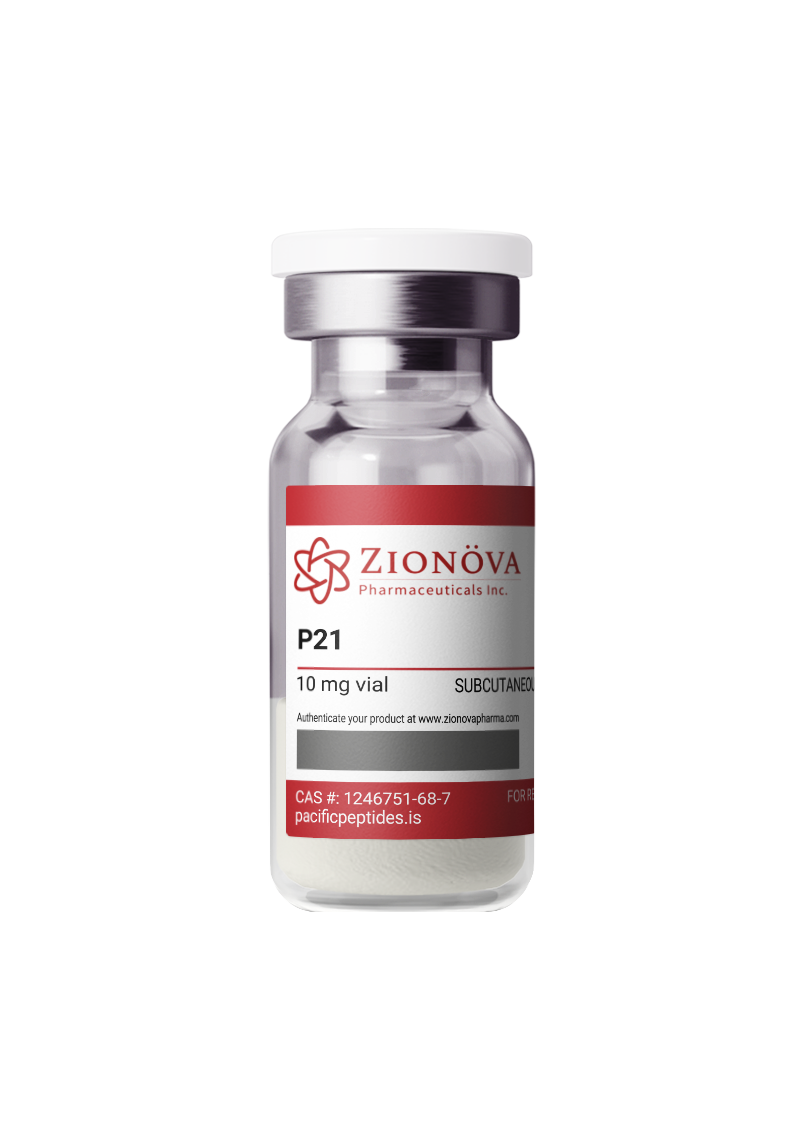
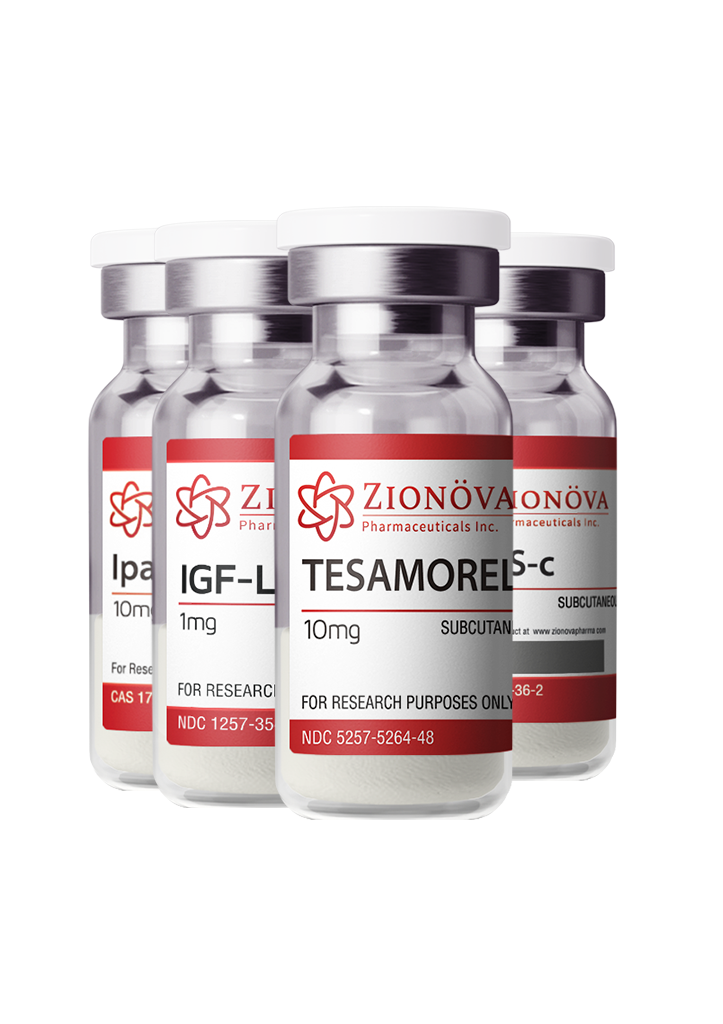
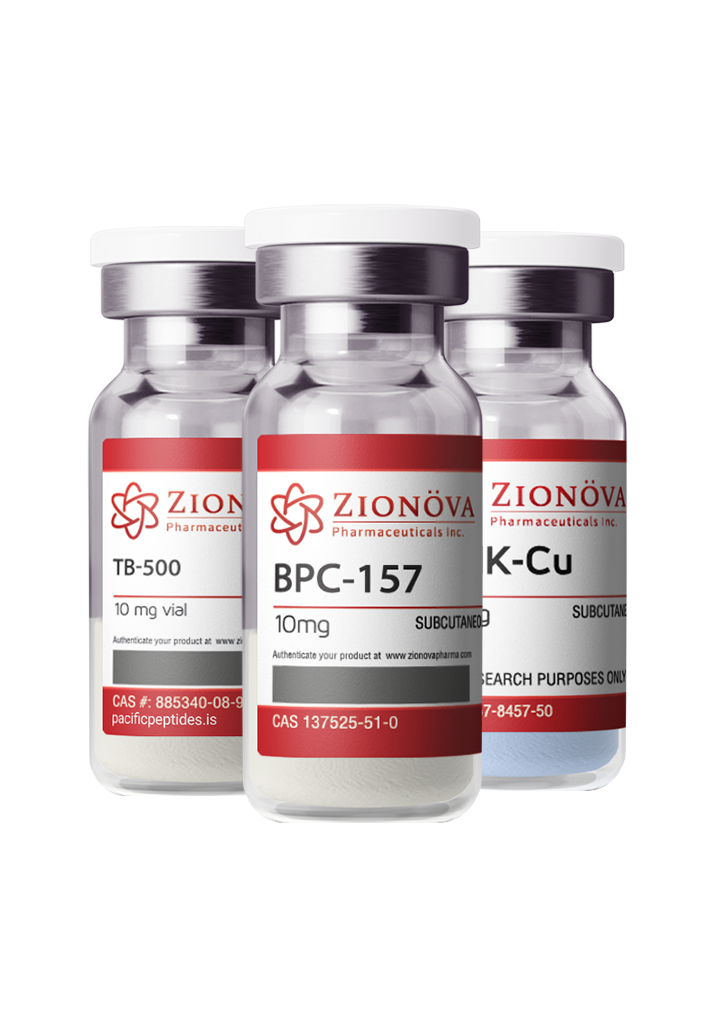
P21 is a synthetic tetrapeptide derived from the biologically active region of ciliary neurotrophic factor. It is studied for its potential role in supporting neurotrophic signalling, cognitive function, and neuronal resilience. In research settings, P21 is investigated for its influence on synaptic plasticity, neurogenesis, and mechanisms associated with memory, learning, and brain aging.
At a standard dose of 500mcg per day, one 10mg vial lasts approximately 20 days. A common approach is 2 vials per person for a standard 4-week cycle, with 4 vials suitable for a full 8-week protocol.
Draw 2.0 mL of Bacteriostatic Water USP from the vial.
02
Carefully inject the Bacteriostatic Water into the P21 vial, aiming the stream along the side of the vial and avoiding direct contact with the lyophilized powder.
03
Gently swirl the vial until the powder is fully dissolved and the solution becomes clear. Do not shake the vial vigorously.
04
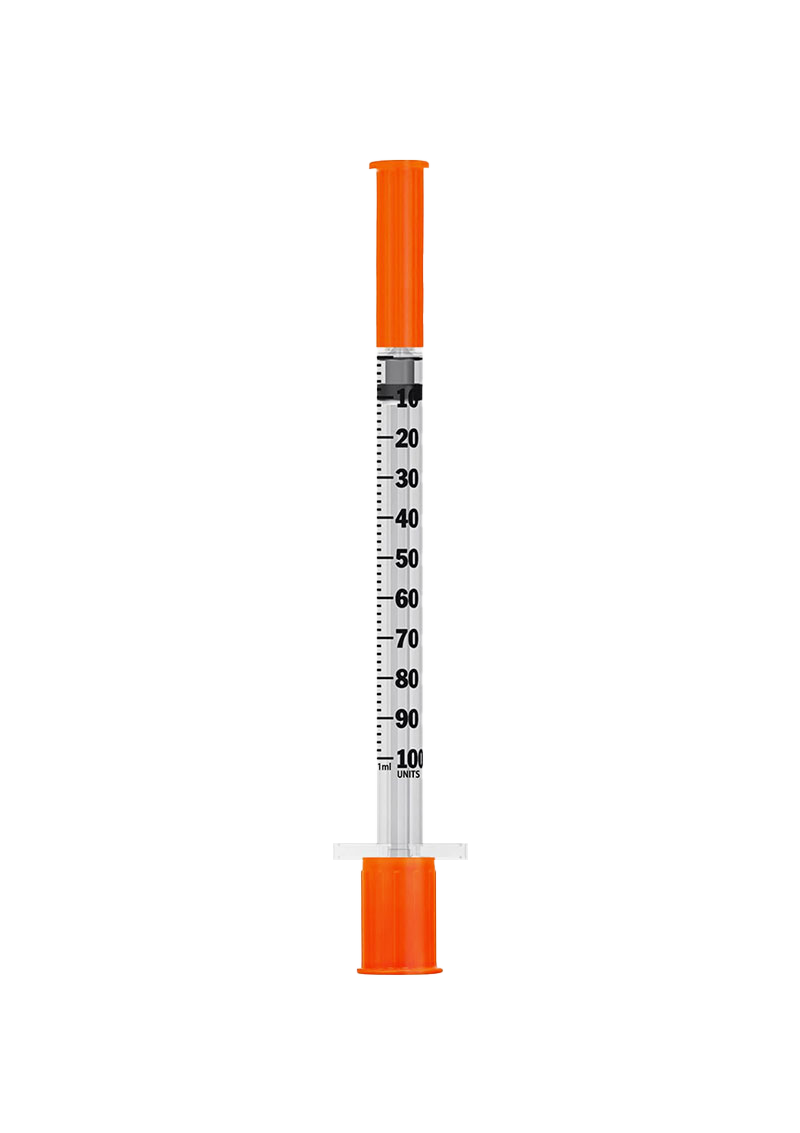
Once mixed, the concentration will be 5mg per mL (10mg per 2mL vial), equating to 500mcg per 10 units on a standard insulin syringe. Remember, 100 units on the syringe equals 1mL, corresponding to 5mg of P21.
05
The prepared solution can be administered subcutaneously (SubQ) in the lower abdominal fat area.
06
Once reconstituted with Bacteriostatic Water, store the vial in the refrigerator protected from light. Use within 60 days to ensure potency and effectiveness.
Side Effects + Considerations
Anabolic steroids present substantial health risks that necessitate careful consideration. Consult healthcare professionals before use to comprehend potential adverse effects, including cardiovascular issues, hormonal imbalances, and psychological impacts. Strictly adhere to prescribed dosages and durations while prioritizing regular health monitoring. Adolescents should refrain from using these substances due to potential growth interference. Opt for alternative fitness methods to prioritize overall health and well-being, and always use under professional supervision.
The use of anabolic steroids demands thoughtful consideration due to serious health risks. Seek guidance from healthcare professionals before embarking on their use to fully understand potential adverse effects. Strictly adhere to prescribed dosages and durations, prioritize regular health monitoring, and avoid use by adolescents to prevent potential interference with growth. Explore alternative fitness methods that prioritize overall health and well-being, and use anabolic steroids only under the supervision of qualified professionals.
WHEN TO TAKE it
P21 is typically administered once daily in the morning, allowing you to take full advantage of heightened focus and cognitive sharpness throughout the day. Like most nootropic peptides, P21 works best when levels are kept stable — making a consistent morning routine the most effective approach.
P21 works by mimicking the activity of Ciliary Neurotrophic Factor (CNTF) to support neurogenesis and synaptic plasticity. Its effects are cumulative, building over a consistent 4–8 week cycle rather than providing an immediate single-dose response.
Staying well-hydrated throughout the protocol is important, as increased cognitive activity and neural repair are metabolically demanding processes. Refrigeration is mandatory once mixed — keep the vial protected from light and handle with care, as P21 is a delicate peptide.
RECOMMENDED SCHEDULE
Low Dose (250mcg — 5 units): Ideal for baseline cognitive support and daily neuroprotection
Standard Dose (500mcg — 10 units): The most common dose for memory enhancement, focus, and mental clarity
High Dose (1mg — 20 units): For intensive protocols targeting neurogenesis and recovery from cognitive fatigue
Frequency: Once daily in the morning
Cycle Length: 4–8 weeks, followed by a 4-week break to assess baseline cognitive improvements and allow the brain to consolidate new neural pathways
Before considering the use of peptides, it’s important to speak with a licensed medical professional. They can assess your overall health, explain the potential benefits and risks, and provide tailored advice that fits your personal goals and medical history.
Choose Reputable, Quality Sources
To minimize the risk of contaminated or counterfeit products, source peptides from reputable vendors like Pacific Peptides. Choose trusted suppliers with strict quality standards and a proven track record in the fitness or medical community. You can also check out reviews from our trusted customers to make an informed decision.
Begin Conservatively
When starting peptides, begin with the lowest dose that may offer results. Increase gradually only if necessary, paying close attention to how your body responds and watching for any unwanted effects along the way.
PRIORITISE RECOVERY & MONITORING
Peptide protocols should be supported by proper recovery and regular self monitoring. Prioritizing sleep, nutrition, hydration, and stress management helps maximize results while reducing the risk of unwanted effects. Allowing adequate time between cycles supports long term metabolic health and overall well being.
Dosage (Male)
100-500 mcg once daily
Dosage (Female)
100-500 mcg once daily
Dosage Frequency
Once daily
Dosage Type
Subcutaneous Injection
Active Half-Life
N/A
Chemical Name
AC–DGGL(A)G-NH2
Stack With...
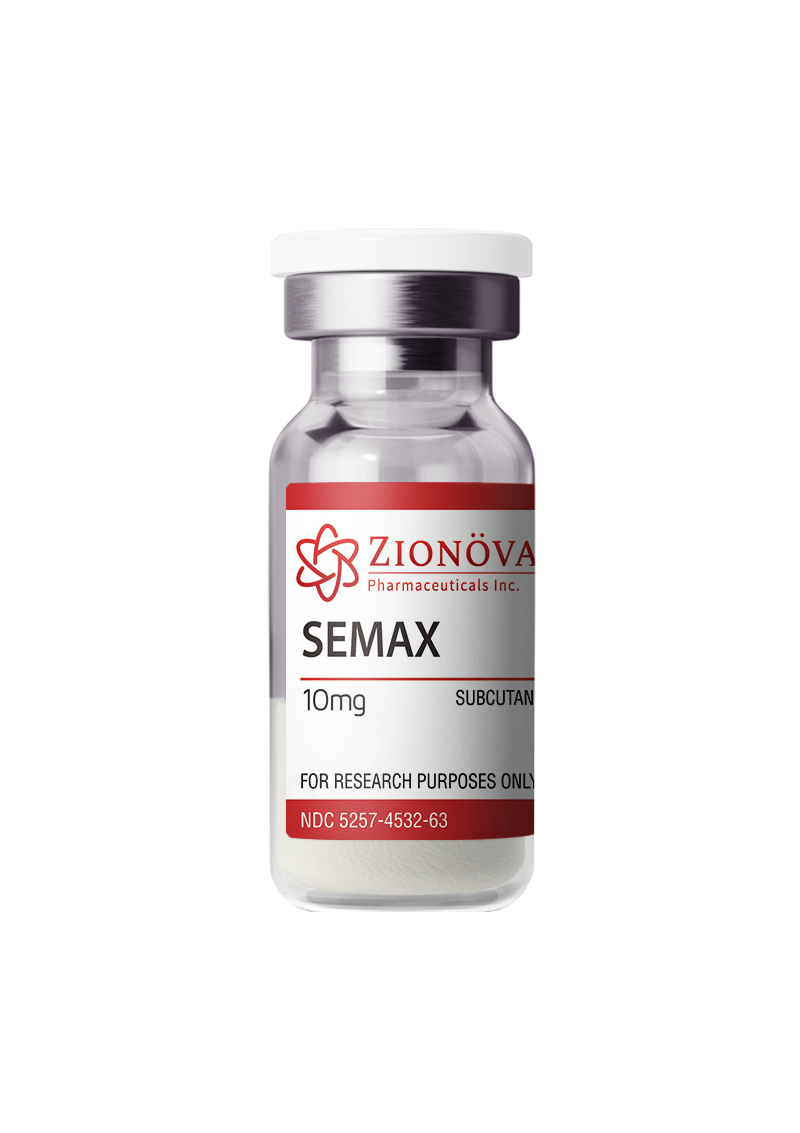
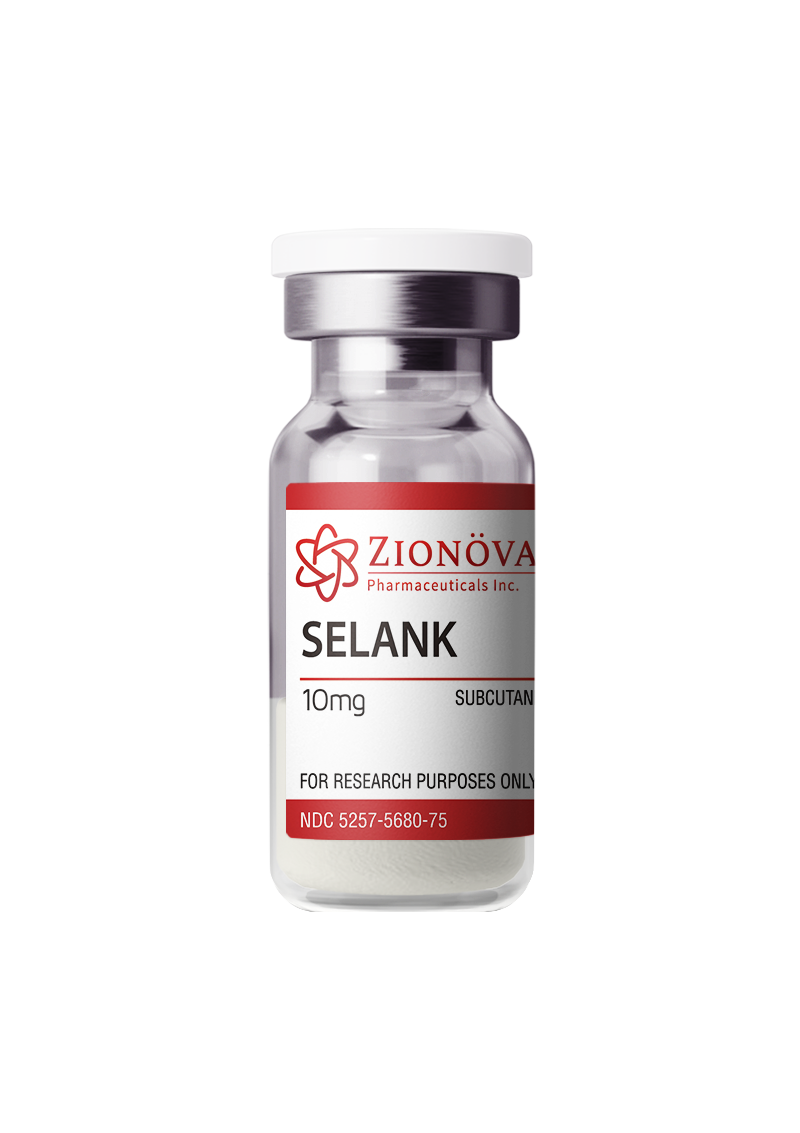
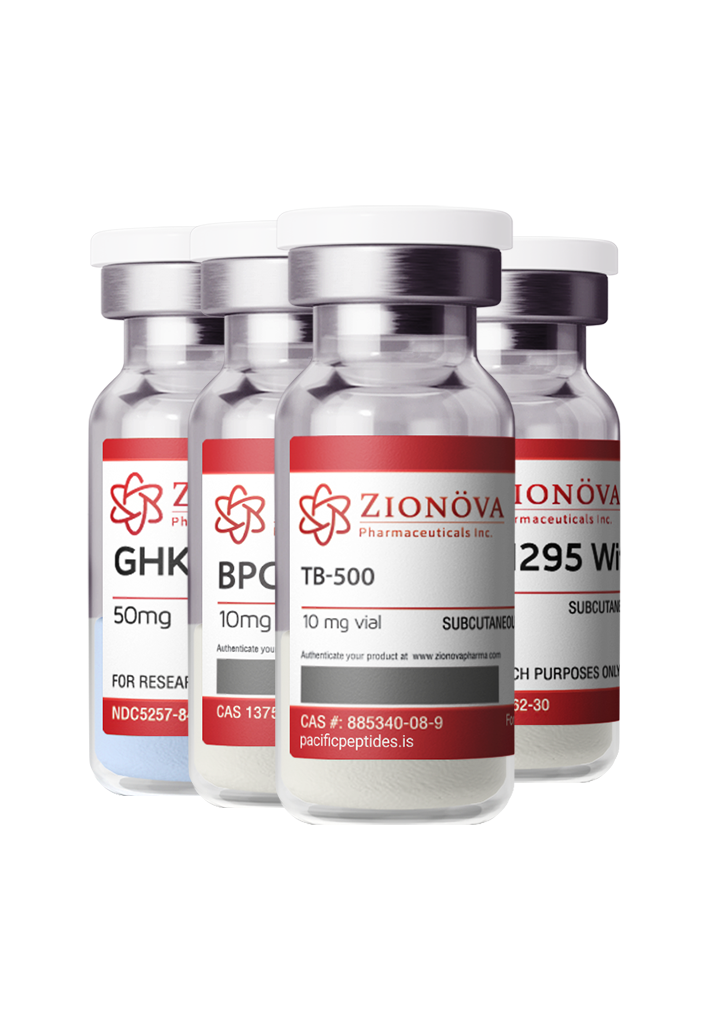
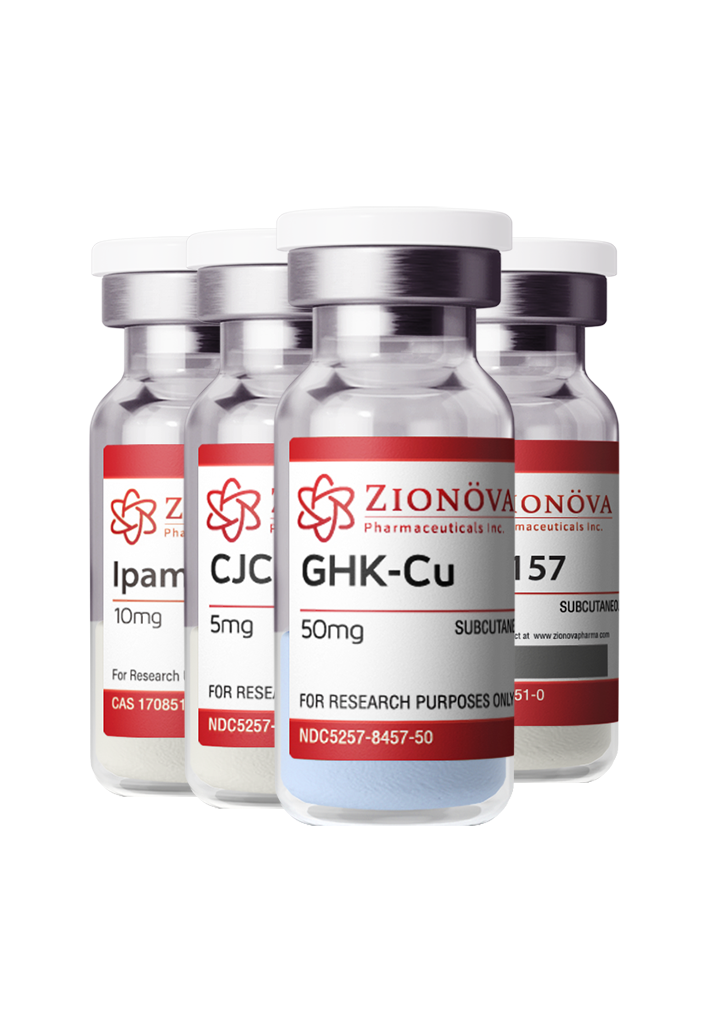
BPC-157, TB-500, Semax, and Selank
Post-Cycle Therapy
N/A
Neurotrophic Signaling and Cognitive Support
P21 is a tetrapeptide derived from the most active region of ciliary neurotrophic factor that is studied for its potential to support neurotrophic signalling and cognitive function. Research highlights its role in promoting neuronal survival, neurogenesis, and synaptic plasticity, making it relevant in studies targeting memory, learning, and brain resilience.
Neurodegenerative Disease Research
P21 is closely associated with research into neurodegenerative conditions such as Alzheimer’s disease. Studies report its ability to reduce Tau protein build-up and influence amyloid plaque production in preclinical models, positioning it as a promising peptide for neuroprotective investigation.
Our Vision
10+ Years of Peptide Expertise
At Pacific Peptides our mission is to offer you access to the highest quality peptides, helping you achieve the physique and fitness goals you’ve always dreamed of. Each of our peptides is designed to enhance overall well-being, boost performance, and promote vitality. With over ten years of experience in peptide formulation, Pacific Peptides offers a wide range of products to help you reach your full potential.
Brain-Derived Neurotrophic Factor Modulation
Beyond general cognitive support, P21 is studied for its potential to increase levels of brain-derived neurotrophic factor (BDNF), which supports neurogenesis and neural network integrity. This makes it relevant in research focused on sustained cognitive performance and cellular neural health.
Cross-Blood-Brain-Barrier Neuropeptide
P21’s small molecular size and design allow it to cross the blood-brain barrier more effectively than larger neurotrophic proteins, making it valuable in research models that require direct central nervous system engagement. This property supports its use in studies examining brain health, neural repair, and cognitive adaptability.
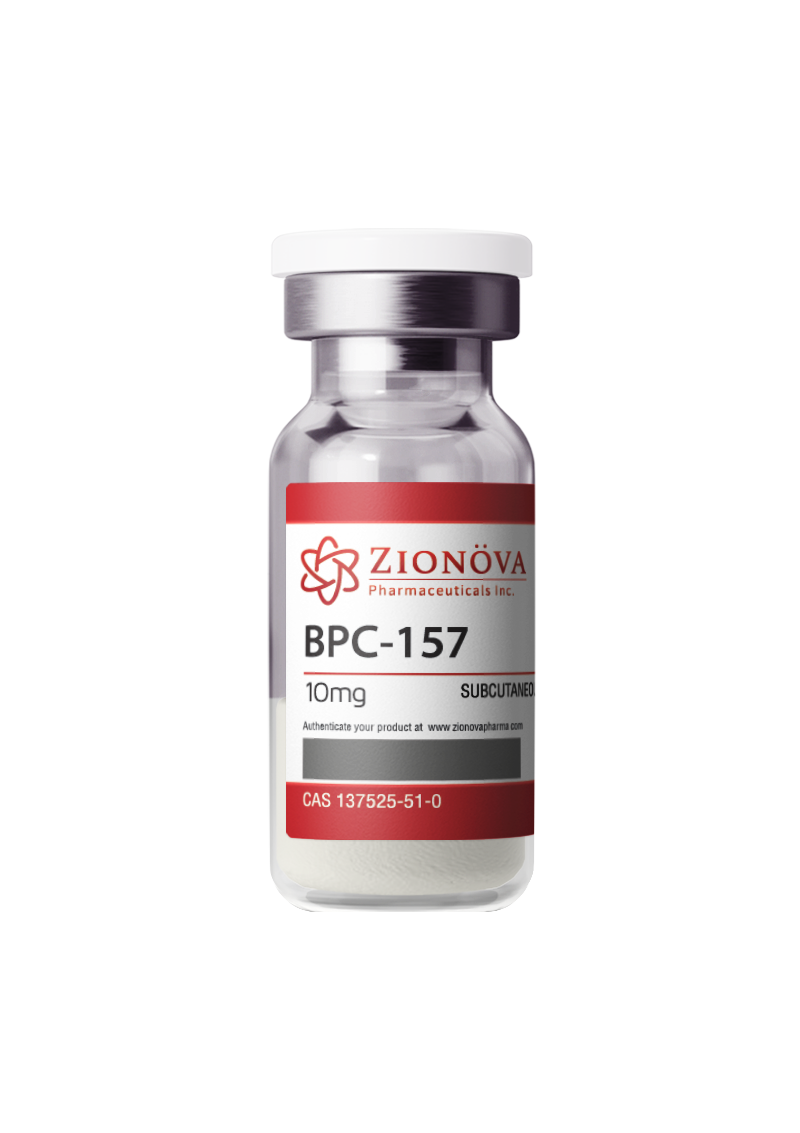
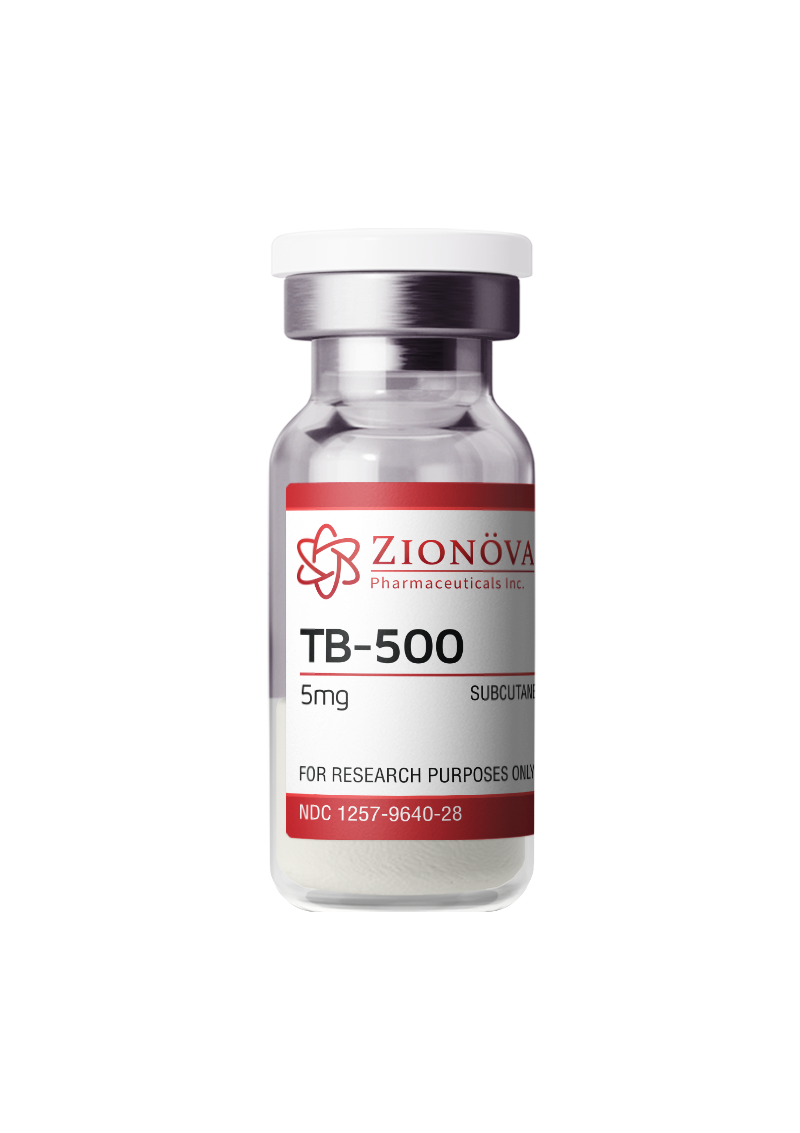
P21 is often researched alongside peptides such as BPC-157, TB-500, Semax, and Selank in multi-pathway protocols focused on neural resilience and whole-system recovery. In these research contexts, P21 serves as the neurotrophic and cognitive support component, while complementary peptides may address peripheral tissue repair, stress response, or neurotransmitter regulation.
Ensuring the proper disposal of utilized syringes and needles is crucial for the safety of yourself and those around you. Once used, promptly deposit the syringe and needle into a designated sharps container. Avoid recapping the needle to prevent unintentional needle pricks. Familiarize yourself with the regulations in your local area concerning the appropriate disposal of medical waste. Numerous regions have specific guidelines for discarding sharps containers, and adhering to them is vital to safeguard both your community and the environment.
Side Effects + Considerations
P21 is generally well tolerated in research settings. Mild injection site irritation or transient neurological sensations such as headache or fatigue may occur during early use. Due to its activity within central nervous system pathways, structured dosing protocols and controlled research environments are recommended. P21 is intended for investigational use rather than unsupervised or prolonged application.