Peptide product names look like they were generated rather than written. RTA, TIRZ, OZ10, SS-31, AOD-9604, MOTS-c, HGH Fragment 176-191. Some of those abbreviate a compound, some encode a research series, and some contain numbers that mean completely different things from one product to the next.
There is a grammar to it. Once you can read it, the catalogue becomes much easier to navigate.
The Three Big Ones
These three come up most, and all three follow the same construction: an abbreviation for the compound, plus the milligram content of the vial.
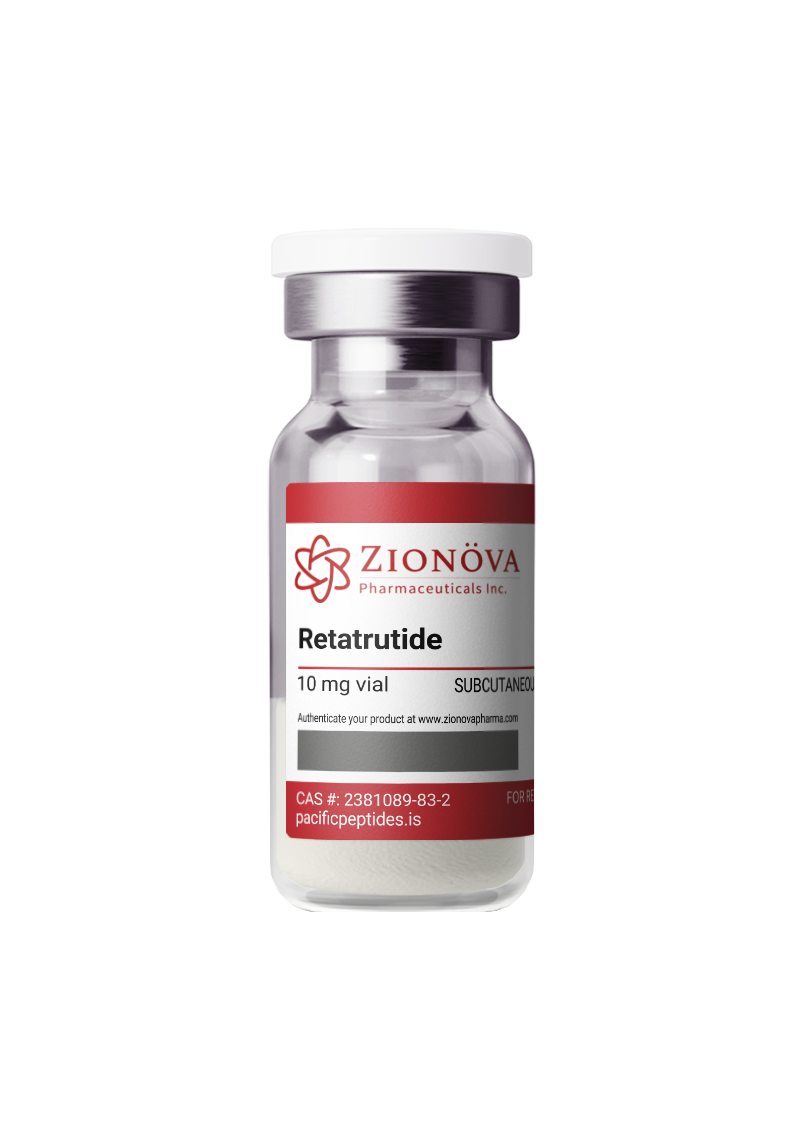
RTA is retatrutide. The RTA 10mg page names it directly, listing the generic name as retatrutide and describing a multi-receptor agonist targeting the GIP, GLP-1 and glucagon receptors. RTA runs at 10mg, 15mg, 20mg and 30mg, and in every case the number is total milligrams in the vial.
TIRZ is tirzepatide. The TIRZ10 10mg page describes a dual GIP and GLP-1 receptor agonist and gives tirzepatide as the generic name. It comes in 5mg and 10mg presentations, numbered the same way.
OZ is the semaglutide family. The OZ10 page describes a GLP-1 receptor agonist and references the Ozempic brand name, which is where the abbreviation comes from. The strongest confirmation is on the spec line rather than in the copy: the stated molecular formula and molecular weight match semaglutide exactly.
So the pattern is consistent. Letters identify the compound, the trailing number is the vial’s milligram content, and the number after it in parentheses repeats that content.
Why the Numbers Are Not Always Milligrams
Here is where it gets genuinely confusing, because numbers in peptide names come from at least four different sources.
- Vial content in milligrams. RTA 10mg, TIRZ5, OZ10. The number is a quantity you are buying.
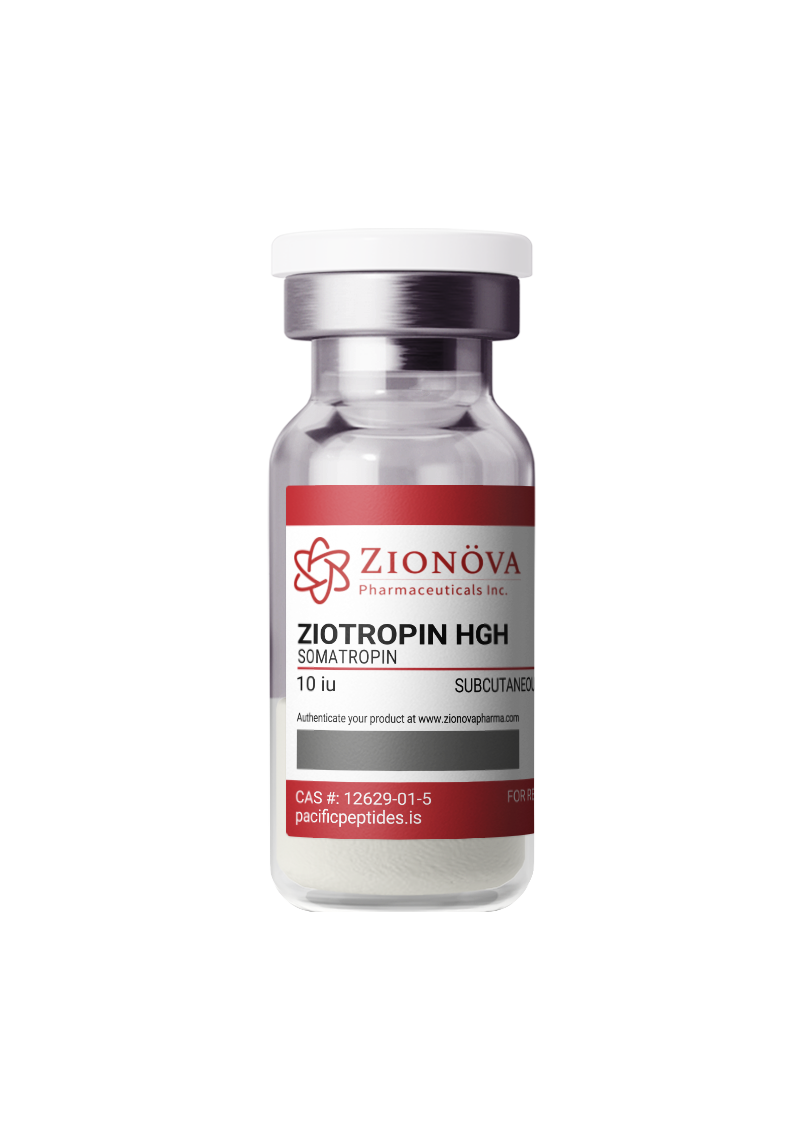
- Amino acid positions in a parent protein. HGH Fragment 176-191 is residues 176 through 191 of human growth hormone. The numbers describe where the fragment was cut from, and have nothing to do with quantity.
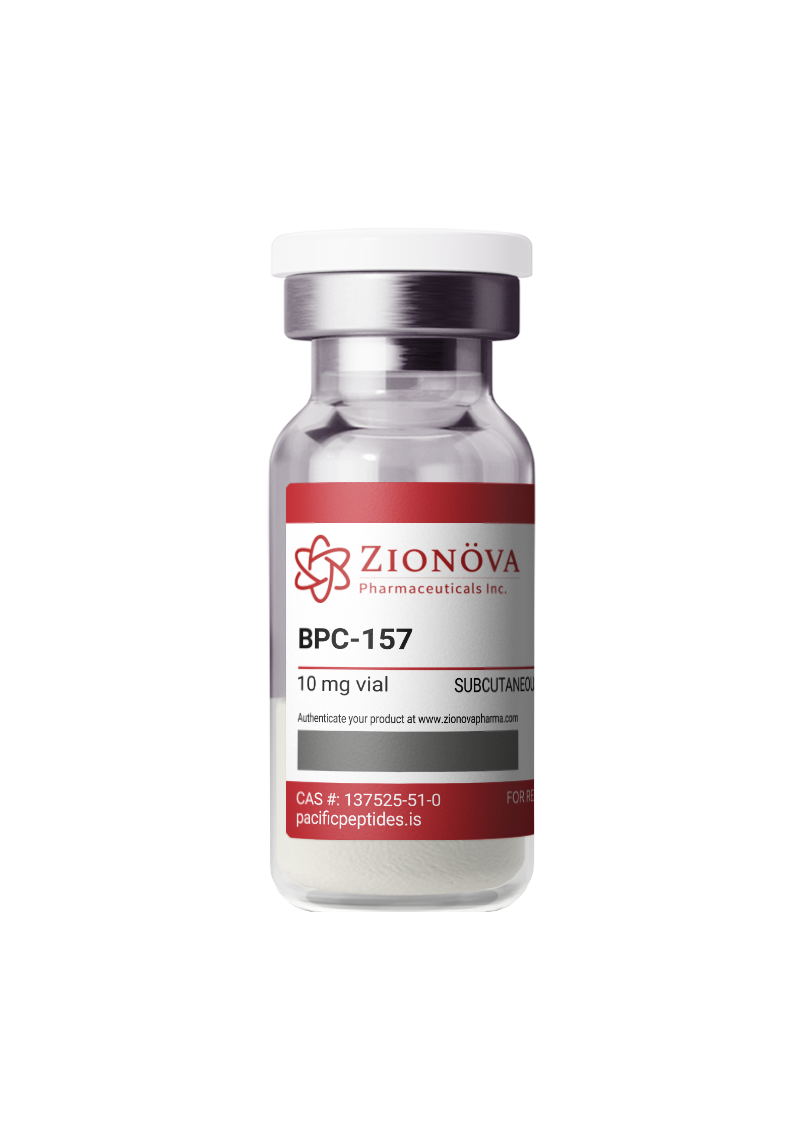
- Research series codes. SS-31 is a designation from the laboratory series it came out of. BPC-157’s 157 is likewise an identifier, not a quantity or a position. AOD-9604’s 9604 is a development code.
- Chemical structure. 5-Amino-1MQ describes the molecule’s actual structure, an amino group at position 5 on a methylquinolinium.
Which means a 10mg vial of BPC-157 and a 10mg vial of HGH Fragment 176-191 share the only number that is comparable, and it is not the one in the compound name.
Blend Names Are a Separate Category
Some products are not single compounds at all, and their names are invented rather than abbreviated.
Klow is a blend, sold at 80mg total. The 80mg is the combined content of the components, not 80mg of any one of them, which matters if you are trying to compare it to a single-compound vial.
The same logic applies to the Glow blend and to the stacks. A stack’s name tells you its intended application rather than its contents, and the contents are on the product page.
If a name sounds like a product rather than a compound, it almost certainly is one. Check the composition before comparing it to anything.
Chemical Suffixes That Change the Compound
A few suffixes look cosmetic and are not.
GHK-Cu’s “Cu” is copper. The peptide is complexed with a copper ion, and that complex is the active entity. GHK without the copper is a different thing.
CJC-1295 appears both with DAC and without it. DAC is a drug affinity complex, an added moiety that binds albumin and extends half-life substantially. With and without DAC are not two strengths of one product, they are two compounds with different pharmacokinetics.
MOTS-c’s lowercase c is part of the name and distinguishes it from unrelated abbreviations. The MOTS-c 10mg page is the one to read for what it actually is.
Why Abbreviations Are Used at All
Worth addressing, because the abbreviations themselves cause suspicion.
Brand names for pharmaceutical compounds are trademarked, and the generic names of compounds in active development are often tied to specific approved products. Research suppliers across the market, not just this one, tend to use short internal designations instead, which is why you see the same compound under different letter codes at different suppliers.
The practical effect is that the abbreviation is supplier-specific while the compound is not. RTA at one supplier and a different three-letter code at another can be the same molecule, and the only reliable way to establish that is the molecular formula rather than the name.
It also means an abbreviation you have not seen before is not necessarily a new compound. More often it is a familiar one under a label you have not encountered yet.
How to Verify Any Name Yourself
Four fields on a product page settle the question, and they are worth more than the name itself.
Generic name. When the page names a compound outright, that is the answer.
Molecular formula and weight. These are the hardest fields to get wrong and the easiest to check. Semaglutide is about 4,113. Tirzepatide is about 4,813. Retatrutide is about 4,900. A formula that matches a known compound identifies it regardless of what the product is called.
Half-life. Useful as a cross-check. A compound described as weekly should have a half-life in days, not hours.
Chemical name or sequence. Worth reading, and worth sanity-checking against length. A 39-residue peptide cannot have a ten-residue sequence, and spotting that kind of mismatch tells you the field was filled in from the wrong source.
If two fields on a page disagree, trust the molecular formula. It is the one that cannot be approximately right.
Reconstitution figures for any of these are in Mixing and Dosing, and naming questions are answered in the FAQ.
The Short Version
RTA is retatrutide, TIRZ is tirzepatide, OZ is the semaglutide family, and in all three the number is milligrams per vial. Elsewhere in the catalogue numbers mean amino acid positions, lab series codes or chemical structure, so never assume a number is a quantity. Blend names are products rather than compounds. And when a name is ambiguous, the molecular formula is the field that answers it.
Nothing in this article is medical advice, and naming conventions are not a guide to whether any compound is appropriate for anyone. Speak with a qualified healthcare professional before starting anything new. Legality differs from one jurisdiction to the next, so confirm the position where you are.