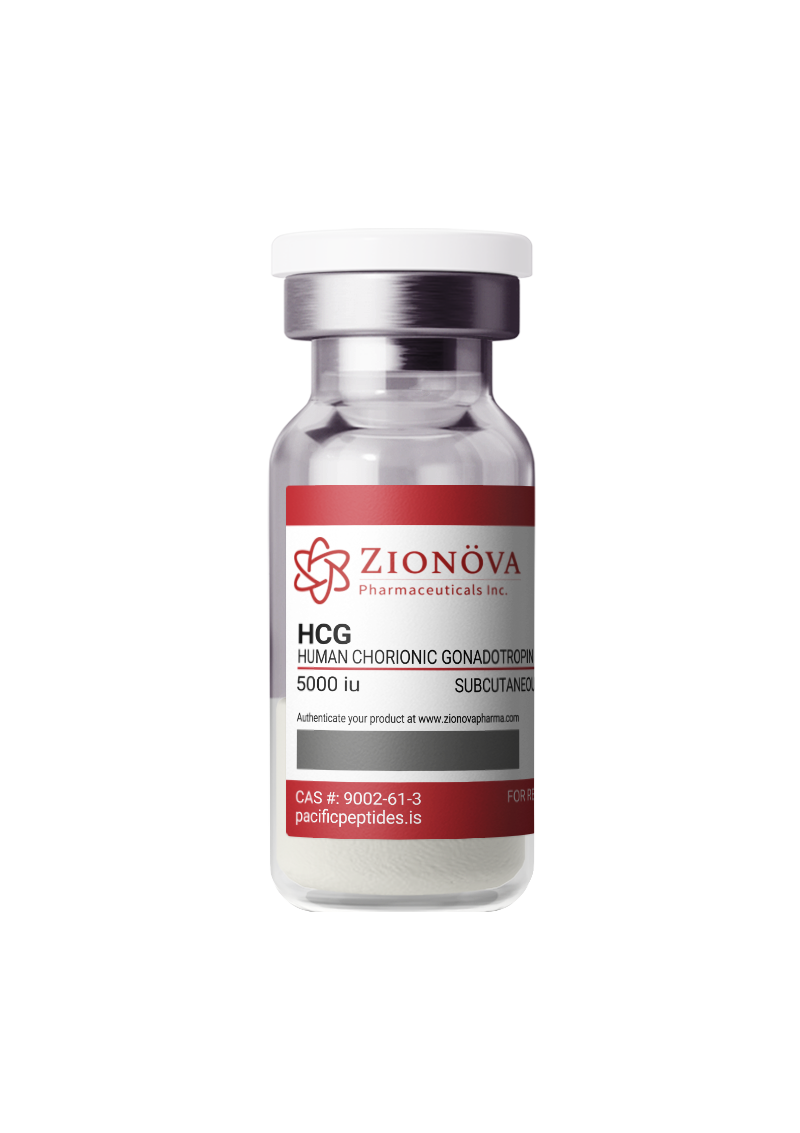
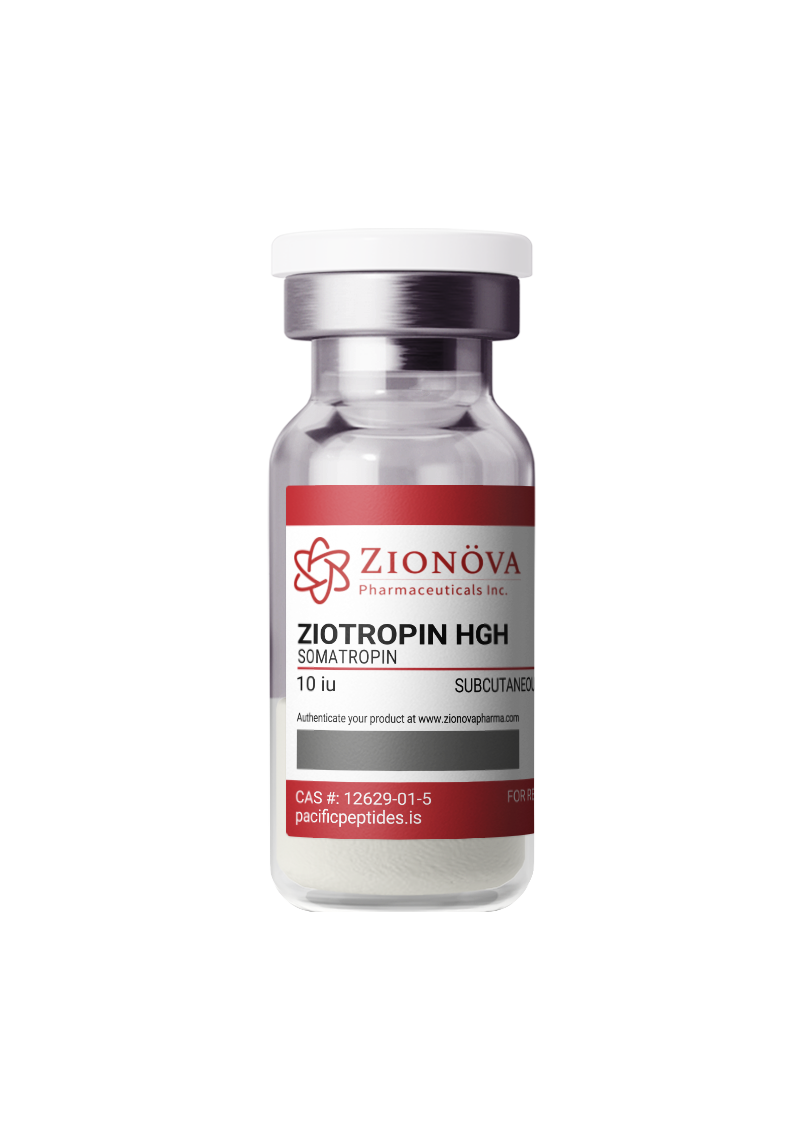
No. Peptides and steroids are two completely different classes of molecule. They are built differently, act on different receptors and are regulated differently. They get confused because they are discussed in the same performance circles and sometimes sold by the same suppliers.
Here is the actual difference, in plain terms.
The One-Line Answer
A peptide is a short chain of amino acids. A steroid is a molecule built on a ring structure derived from cholesterol. Different building blocks, different shapes, different behaviour.
What a Peptide Is
Peptides are made of amino acids, the same building blocks that make up proteins. A peptide is simply a short chain of them, usually between two and fifty units long. Anything longer is generally called a protein.
Your body makes thousands of peptides. Many act as signals, telling cells or glands to do something. Insulin is a peptide hormone. So are many of the hormones that regulate growth, appetite and repair.
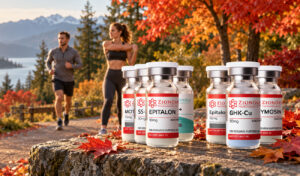
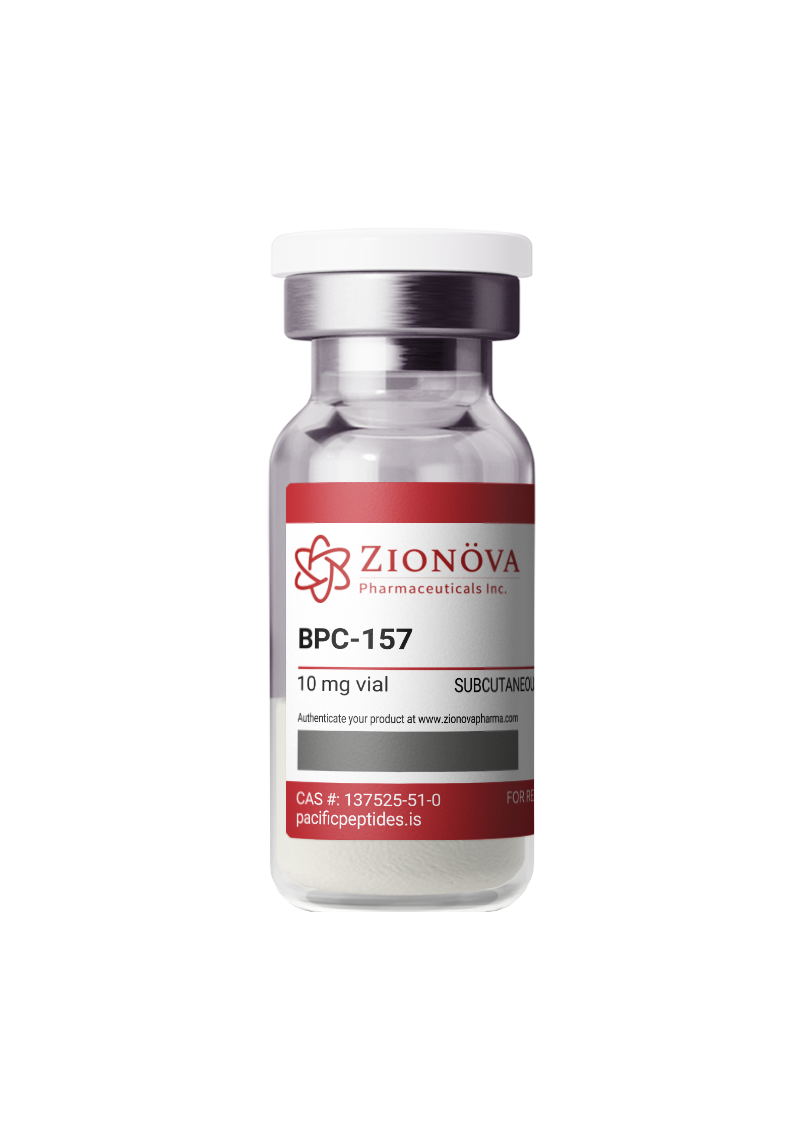
Research peptides are mostly synthetic versions or modified versions of those signals. BPC-157, MOTS-c and the growth hormone secretagogues are all examples, and the full range sits in the peptides catalogue.
What a Steroid Is
Steroids are a class of molecule built on a specific four-ring structure. The body makes them from cholesterol.
Not every steroid is an anabolic steroid. Cortisol, oestrogen and testosterone are all steroid hormones, and so are many anti-inflammatory medications. When people say “steroids” in a gym context, they almost always mean anabolic androgenic steroids: testosterone and the compounds derived from it.
The Differences Side by Side
| Peptides | Anabolic steroids |
|---|
| Built from | Chains of amino acids | A four-ring structure derived from cholesterol |
| How they usually act | At receptors on the surface of cells, as signals | Inside cells, at the androgen receptor |
| Typical effect | Prompting a specific response, such as hormone release | Directly driving androgenic and anabolic effects |
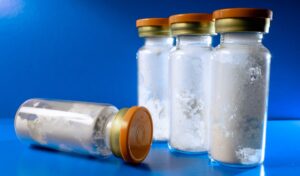
| Usual form | Lyophilised powder, reconstituted | Oral tablets or oil-based injections |
| Survives digestion | Mostly no | Many oral forms are modified to survive it |
How They Act Differently
This is the most useful difference to understand.
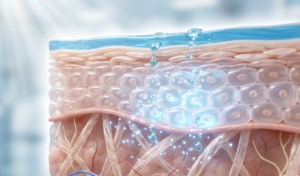
Most peptides act on receptors on the outside of a cell. They deliver a signal, and the cell responds. A growth hormone secretagogue, for example, signals your pituitary to release more of your own growth hormone. The effect is one step removed.
Anabolic steroids are small and fat-soluble, so they pass into cells and bind the androgen receptor inside them. That receptor then directly changes which genes are switched on. The effect is direct.
That is also why steroids suppress the body’s own testosterone production so strongly. Your body detects the extra androgen and shuts down its own supply.
Why People Mix Them Up
Several things blur the line.
Same conversations. Both come up in discussions about muscle, recovery and body composition, so they get compared as if they were alternatives.
Same suppliers. Some performance suppliers sell both, often side by side.
“Peptide” sounds technical. For a lot of people, any injectable performance compound gets filed under the same mental heading.
Some peptides affect hormones. Growth hormone secretagogues raise a hormone level, which makes them sound steroid-like even though they work through a completely different route. Ipamorelin is a good example: it raises growth hormone, but it is a peptide, and it does not act on the androgen receptor at all.
Where Growth Hormone and Insulin Fit
Two familiar hormones help show where the line sits.
Insulin is a peptide hormone, made of two short amino acid chains linked together. It acts at a receptor on the surface of cells, exactly the way most peptides do, and it has nothing to do with steroids.
Growth hormone is a protein rather than a peptide, because at 191 amino acids it is far longer than the usual peptide range. It is also not a steroid. Fragments of it, such as HGH Fragment 176-191, are short enough to count as peptides, and they are studied for narrower effects than the full hormone.
So two of the best-known performance-related hormones are built from amino acids, not from the steroid ring structure. That is a useful reminder that “hormone” and “steroid” are not the same word.
What About SARMs?
SARMs are a third category that adds to the confusion. They are small synthetic molecules designed to act on the androgen receptor, the same receptor anabolic steroids use, but they are not steroids structurally and they are not peptides either. They are a separate class with their own questions.
Handling Is Different Too
Because peptides are fragile chains of amino acids, most come as a freeze-dried powder that has to be reconstituted with bacteriostatic water and kept refrigerated once mixed. The mechanics are set out in Mixing and Dosing.
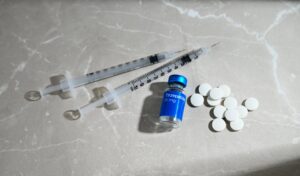
Anabolic steroids are generally supplied as oral tablets or as oil-based injectable solutions, which need no mixing at all. The difference in handling is a quick tell for which class you are looking at.
Legal Position
Peptides and steroids are also treated differently under the law in many places. In Canada, anabolic steroids are controlled substances, while research peptides are generally sold as research compounds under a different framework. Rules differ widely between countries, and they change.
If you only remember one thing from this post, make it the receptor. Peptides mostly signal from the outside of the cell. Anabolic steroids act from the inside, at the androgen receptor. Almost every other difference between the two follows from that.
The Short Version
Peptides are short chains of amino acids that usually act as signals at receptors on the outside of cells. Anabolic steroids are ring-structured molecules derived from cholesterol that pass into cells and act directly on the androgen receptor. Some peptides raise hormone levels, which is why the two get confused, but they are different classes with different mechanisms, different handling and different legal treatment. Further questions are answered in the FAQ.
This article is general information, not medical advice, and it does not recommend using any compound. Speak with a qualified healthcare professional before starting anything new. Legality varies from one jurisdiction to the next, so confirm the position where you are.