No products in the cart.

Free Canada wide express shipping on all orders $300+
Get 10% off your first order with code FIRSTORDER10
$1,045.50 – $1,968.00Price range: $1,045.50 through $1,968.00
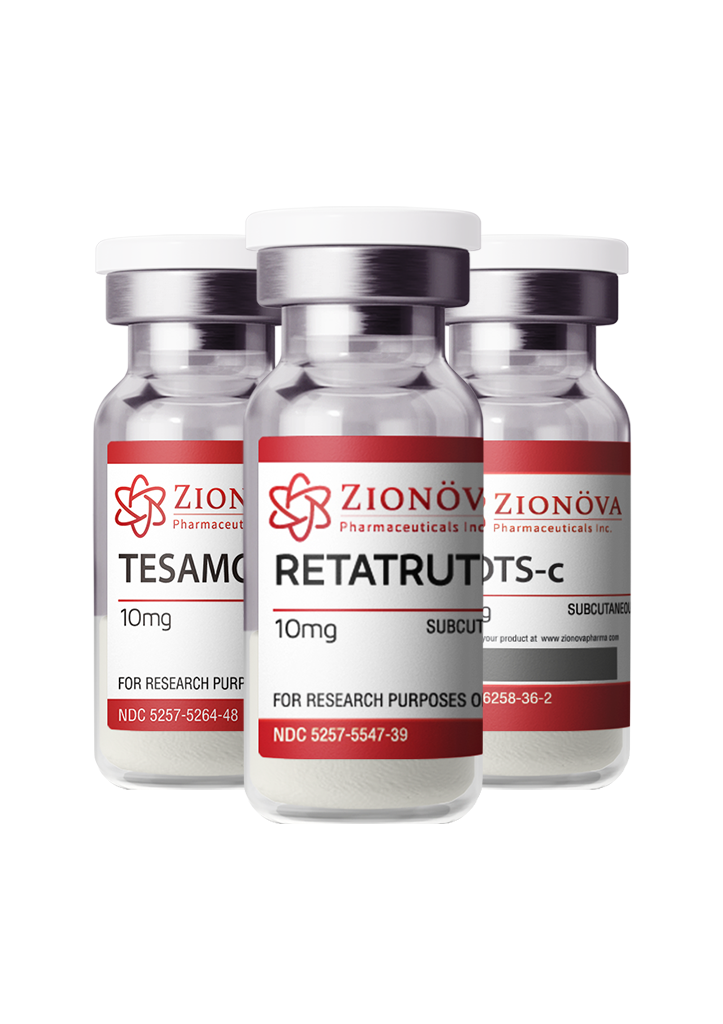
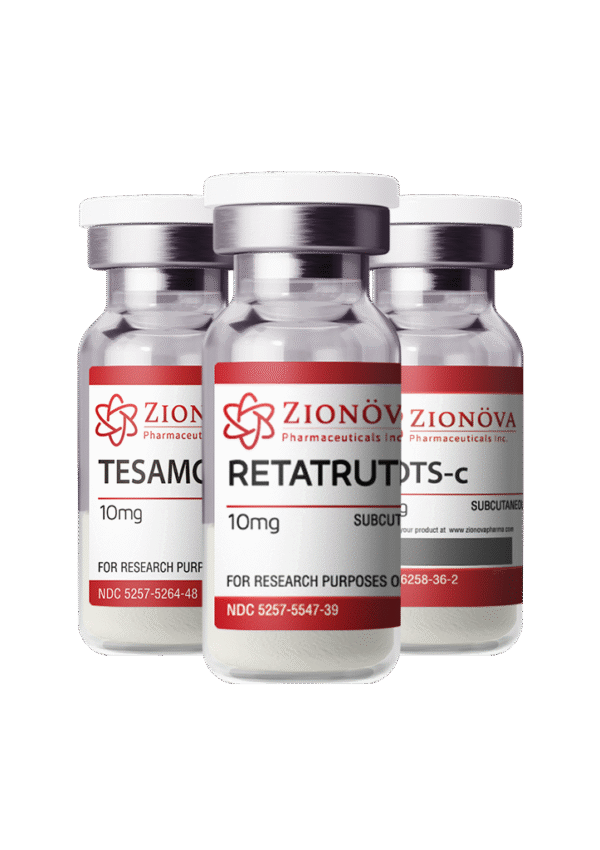
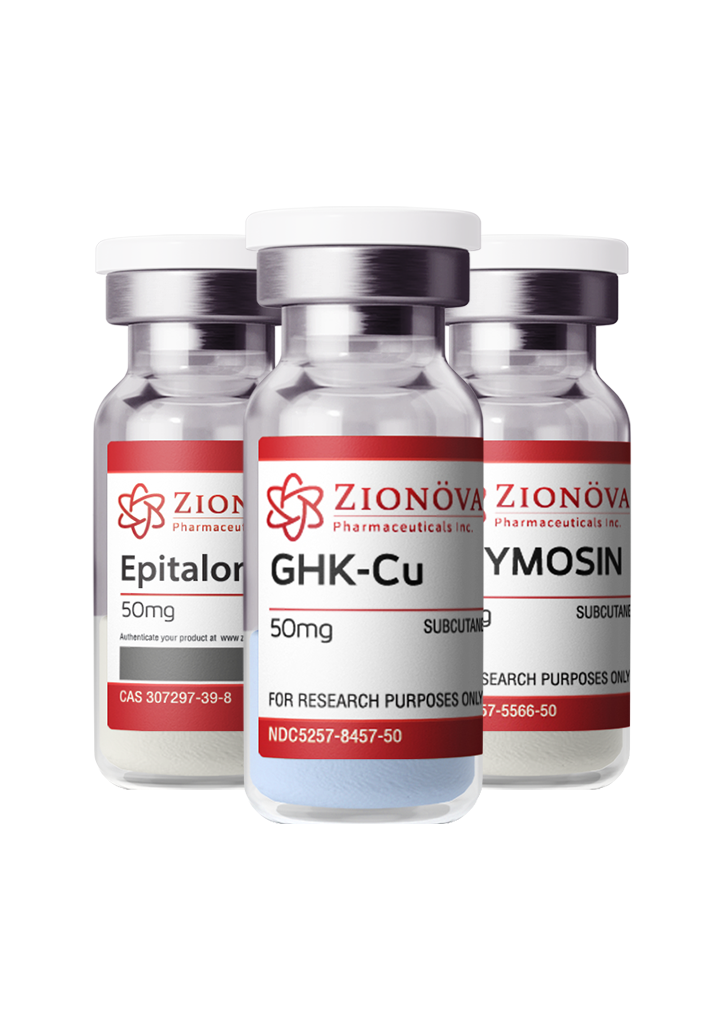
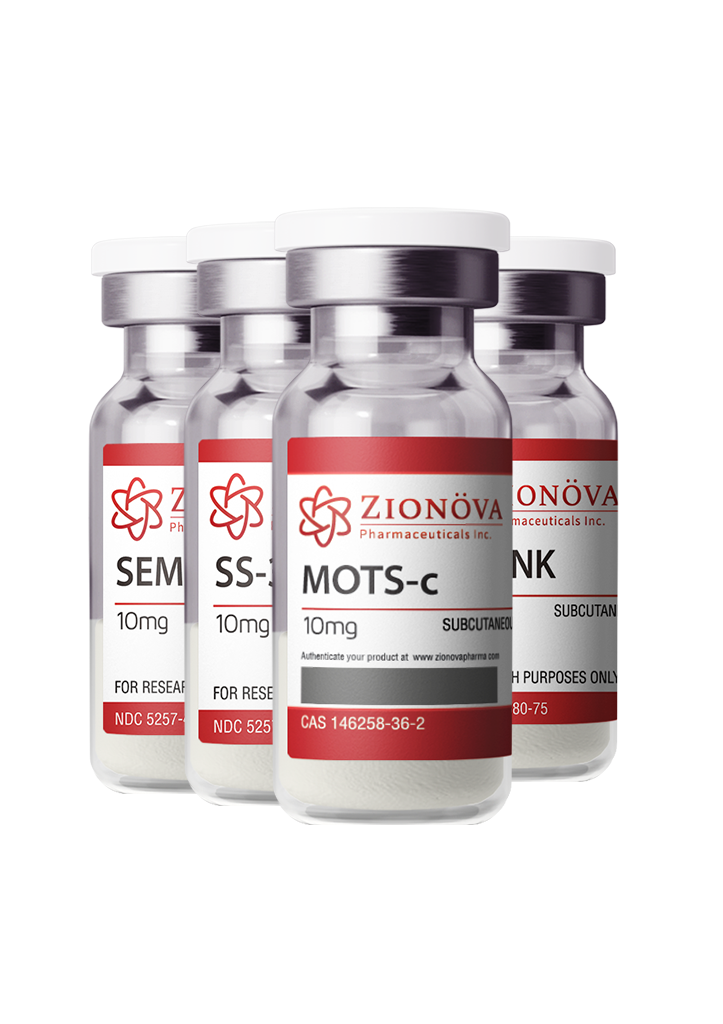
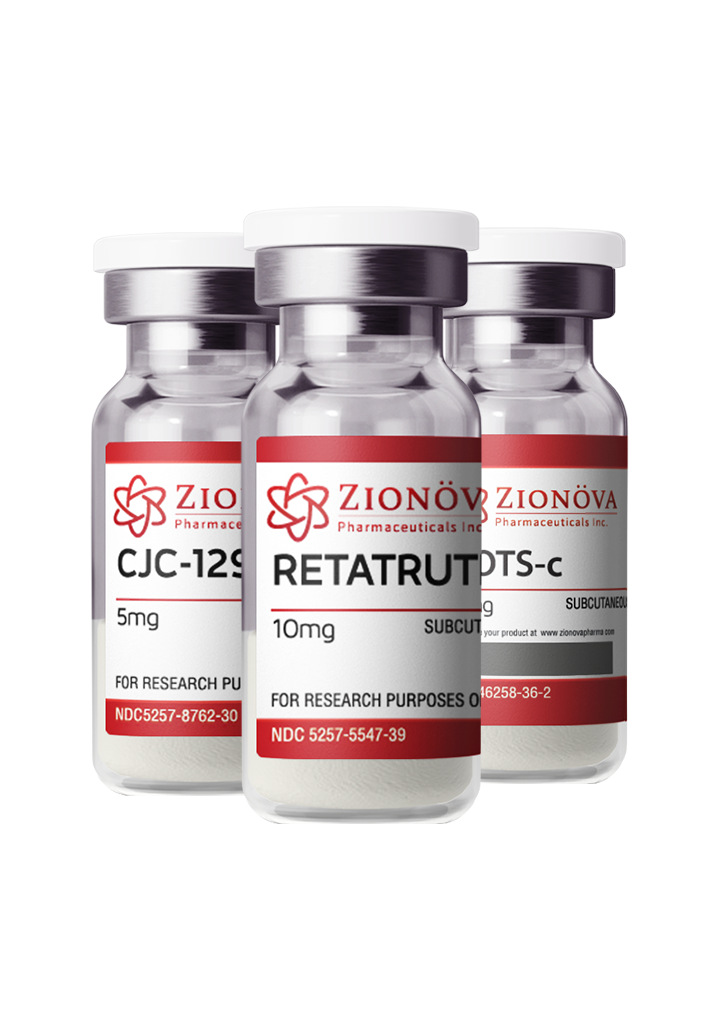
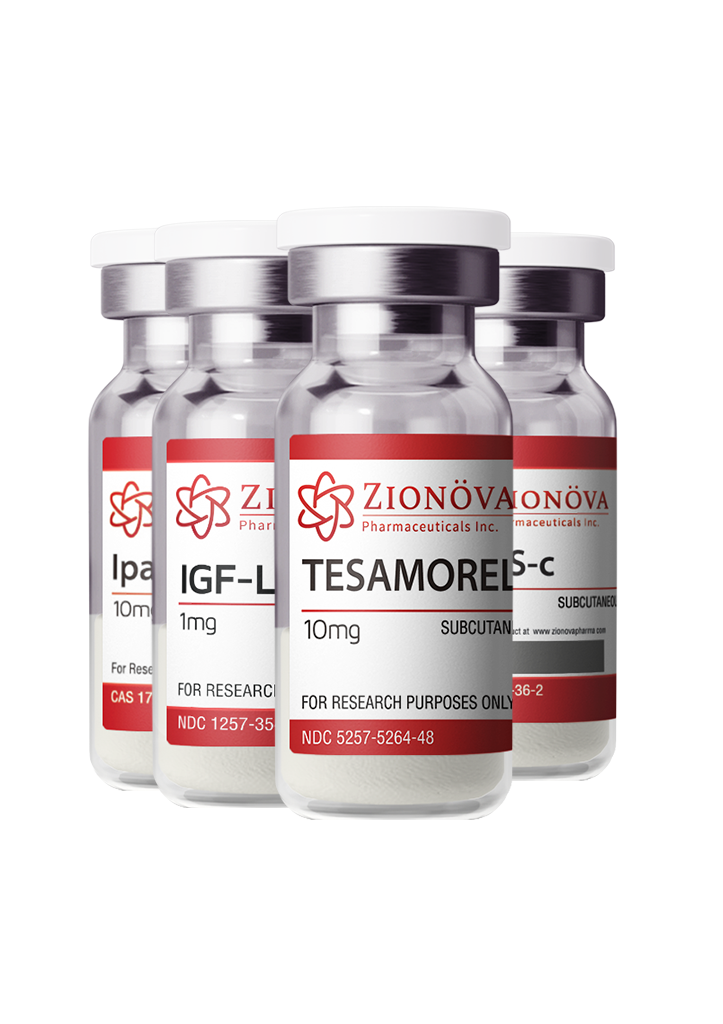
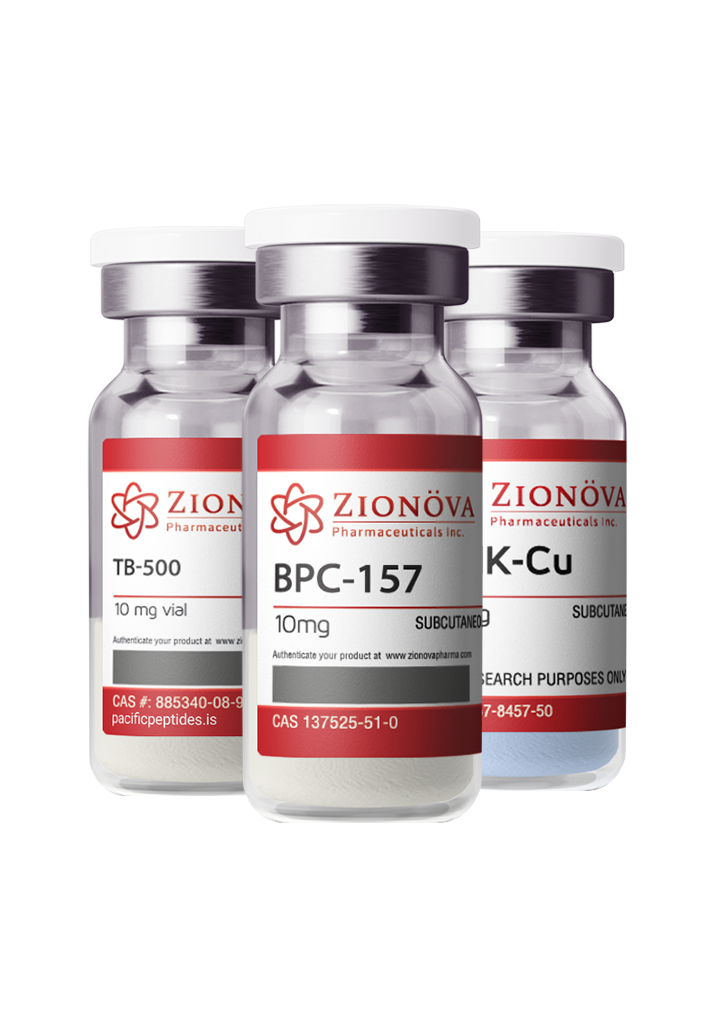
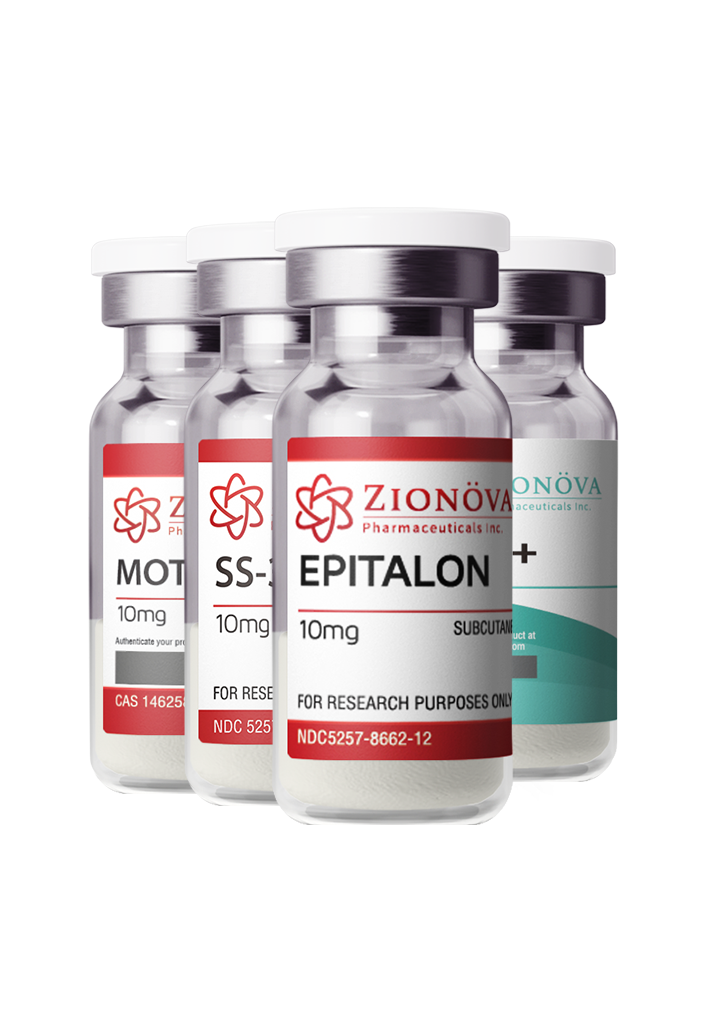
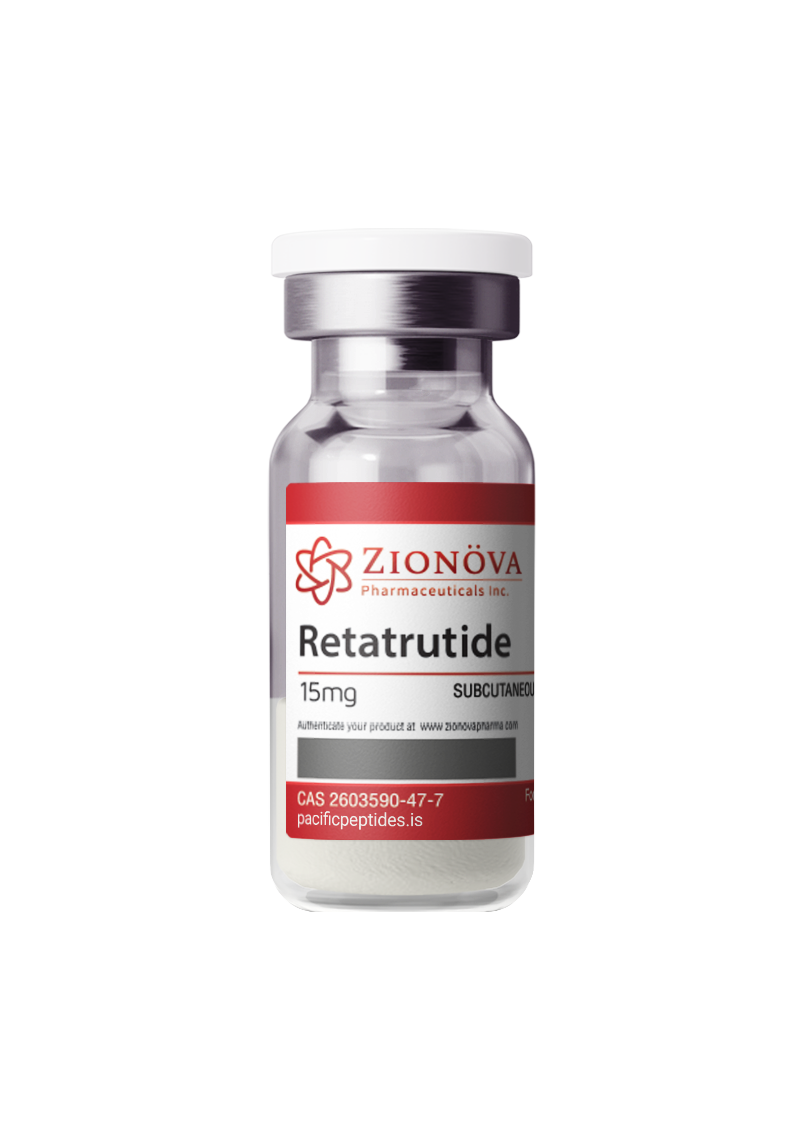
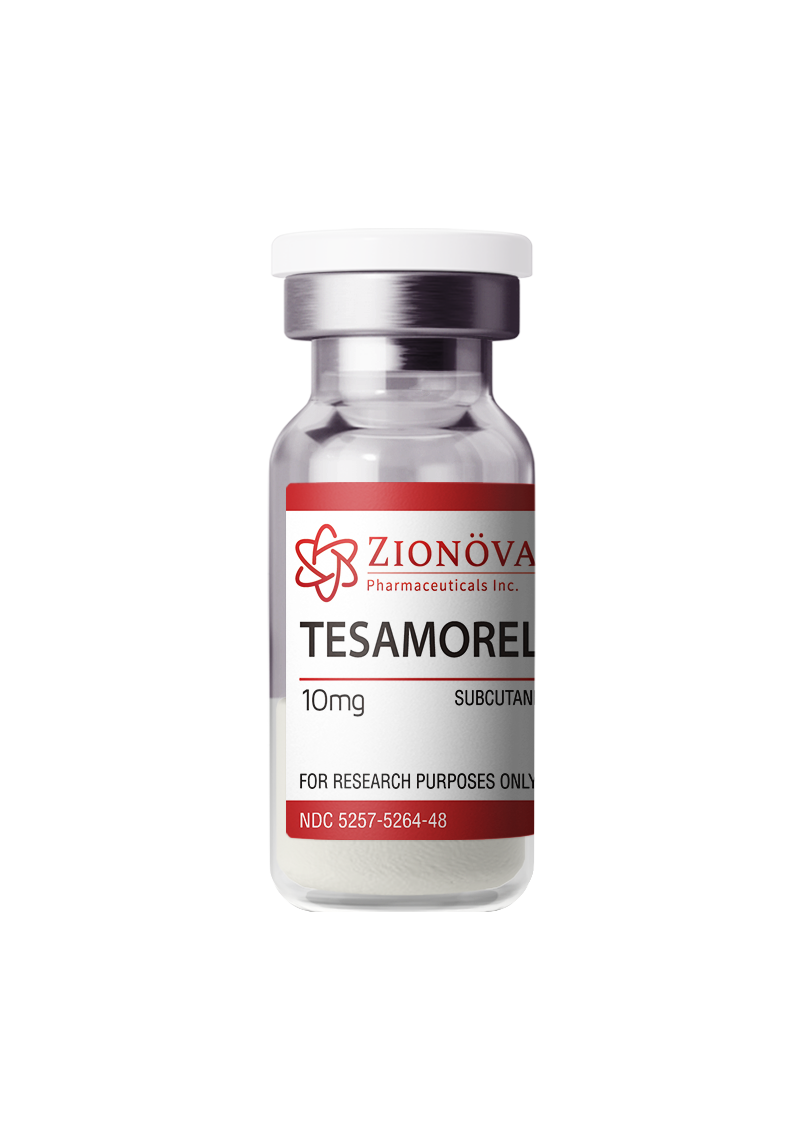
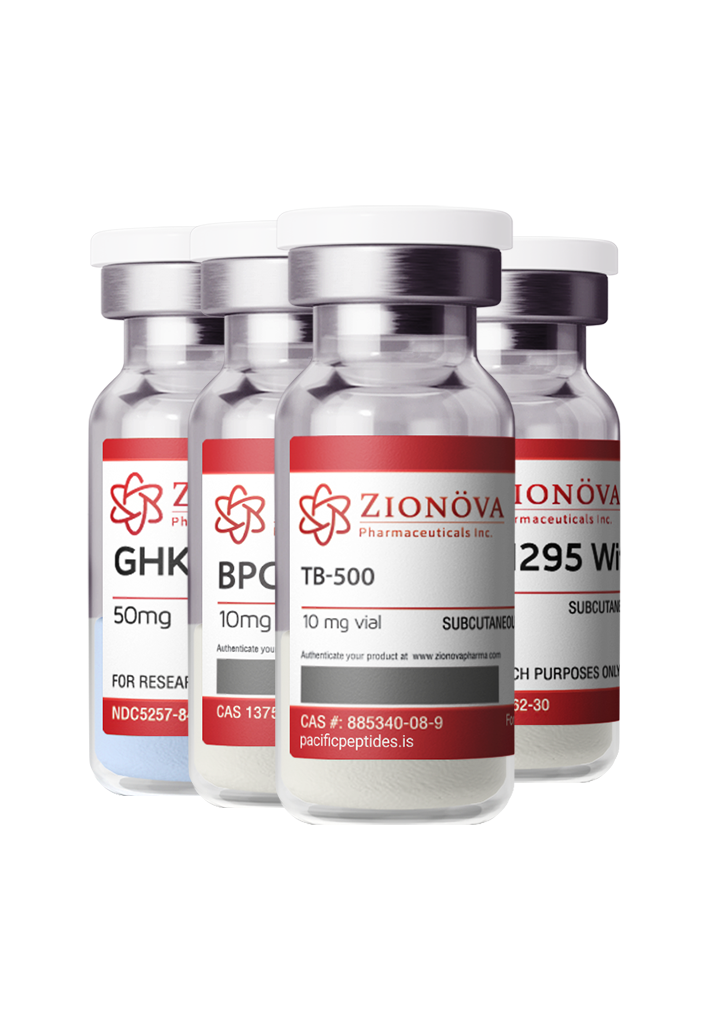
The Apex Transformation Stack is an advanced metabolic fat loss system engineered for rapid results without sacrificing energy or muscle. This precision formulated stack combines three next generation peptides that work through complementary pathways to drive sustained fat loss and metabolic optimization.
To drive rapid, sustainable fat loss by controlling appetite, increasing energy expenditure, and optimizing metabolic efficiency without sacrificing muscle or performance.
The Apex Transformation Stack is intended for use in structured cycles to support metabolic optimization. Cycle length should be selected based on individual goals and experience level.
1.5 months
Recommended for first time users or shorter optimization phases to assess tolerance and response.
3 months
Intended for experienced users seeking deeper metabolic adaptation and more sustained results.
Before considering the use of peptides, it’s important to speak with a licensed medical professional. They can assess your overall health, explain the potential benefits and risks, and provide tailored advice that fits your personal goals and medical history.
To minimize the risk of contaminated or fake products, always source peptides from reputable vendors like Pacific Peptides. Stick to well-known suppliers who follow strict quality protocols and have earned a solid track record within the fitness or medical community.
When starting peptides, begin with the lowest dose that may offer results. Increase gradually only if necessary, paying close attention to how your body responds and watching for any unwanted effects along the way.
Peptide protocols should be supported by proper recovery and regular self monitoring. Prioritizing sleep, nutrition, hydration, and stress management helps maximize results while reducing the risk of unwanted effects. Allowing adequate time between cycles supports long term metabolic health and overall well being.
1.5 Months
1.5 Months
Our peptide mixing calculator takes the guesswork out of dosing, giving you an exact, easy-to-follow guide based on your vial, syringe, and target dosage. Whether you’re new to peptides or simply want to double-check your math, we’ve made it simple and straightforward.
Just enter your total syringe volume, the amount of peptide in your vial, how much water you’re adding, and your desired peptide dose. The calculator will do the rest — making sure you get accurate measurements for safe, consistent use every time.
These ranges are general, research-use suggestions to help you prepare your peptides. This calculator and recommended doses are not medical advice. Start low, assess tolerance, and adjust cautiously.

Before you begin your injection, make sure all your supplies are organized and within reach. You’ll need the injectable compound, a clean single-use syringe and needle, alcohol pads, a proper sharps disposal container, cotton balls or gauze for cleanup, and optionally, a mirror if you’re injecting yourself. Having everything set up in advance helps the process go smoothly without unnecessary interruptions. Prioritizing preparation and safety supports proper technique and long-term well-being.
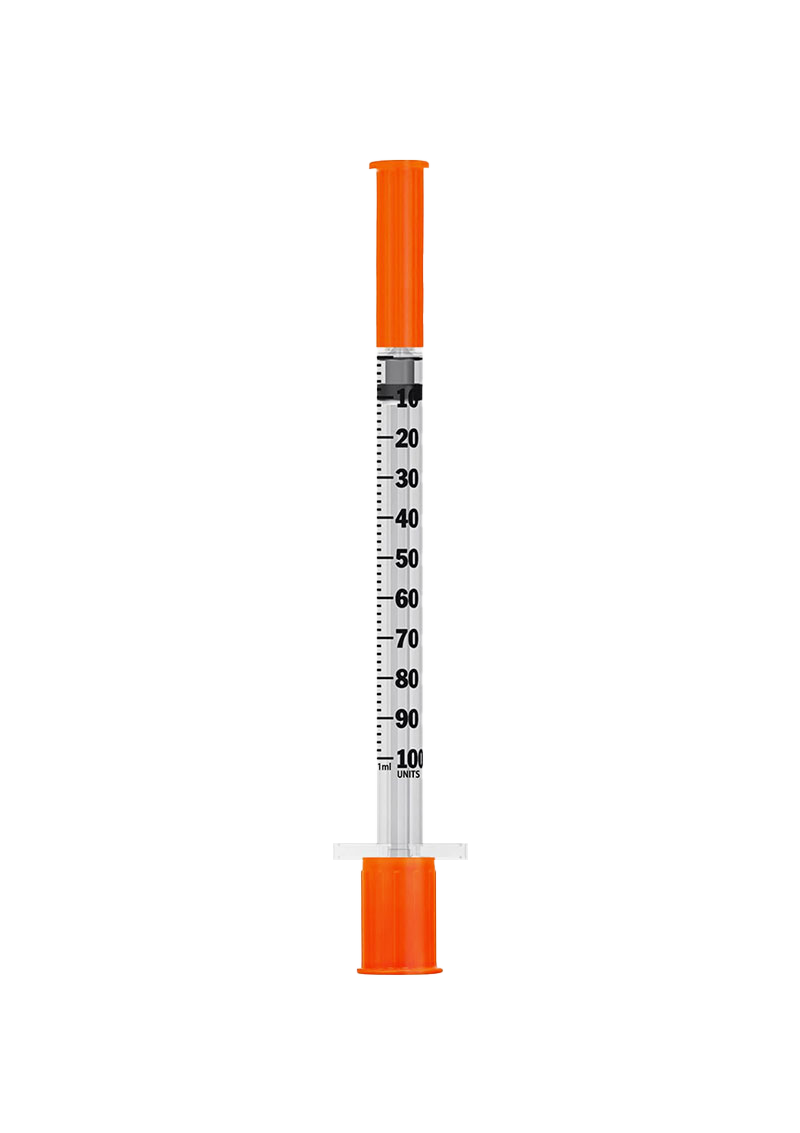
After gathering all the required items, it’s time to draw the medication from the vial. Hold the vial upright and gently pull back on the plunger to fill the syringe with the exact amount prescribed. Make sure to follow your healthcare provider’s directions precisely. Once filled, tap the syringe lightly to bring any air bubbles to the top. Then, carefully press the plunger to expel the air, stopping when only the prescribed amount remains. Review the recommended injection depth before continuing.
To begin, select a clean, bright space where you can work comfortably. Wash your hands thoroughly with soap and water to prevent contamination. Then, prepare the injection site—this may be your thigh, glute, or upper arm, depending on your provider’s guidance. No matter the location, clean the area using an alcohol swab to eliminate oils, debris, or bacteria. Let the area air dry fully before proceeding to the injection.
With the syringe ready, you can now give the injection. Grip the syringe securely and insert the needle into the chosen site at the correct depth. Gently pull back on the plunger—if blood enters the syringe, remove it and start again with a new needle. If no blood appears, push the plunger slowly and steadily to deliver the medication. A gradual injection helps maintain comfort and control. Once the dose is fully delivered, remove the needle carefully and dispose of it safely.
Before you begin your injection, make sure all your supplies are organized and within reach. You’ll need the injectable compound, a clean single-use syringe and needle, alcohol pads, a proper sharps disposal container, cotton balls or gauze for cleanup, and optionally, a mirror if you’re injecting yourself. Having everything set up in advance helps the process go smoothly without unnecessary interruptions. Prioritizing preparation and safety supports proper technique and long-term well-being.
After gathering all the required items, it’s time to draw the medication from the vial. Hold the vial upright and gently pull back on the plunger to fill the syringe with the exact amount prescribed. Make sure to follow your healthcare provider’s directions precisely. Once filled, tap the syringe lightly to bring any air bubbles to the top. Then, carefully press the plunger to expel the air, stopping when only the prescribed amount remains. Review the recommended injection depth before continuing.
To begin, select a clean, bright space where you can work comfortably. Wash your hands thoroughly with soap and water to prevent contamination. Then, prepare the injection site—this may be your thigh, glute, or upper arm, depending on your provider’s guidance. No matter the location, clean the area using an alcohol swab to eliminate oils, debris, or bacteria. Let the area air dry fully before proceeding to the injection.
With the syringe ready, you can now give the injection. Grip the syringe securely and insert the needle into the chosen site at the correct depth. Gently pull back on the plunger—if blood enters the syringe, remove it and start again with a new needle. If no blood appears, push the plunger slowly and steadily to deliver the medication. A gradual injection helps maintain comfort and control. Once the dose is fully delivered, remove the needle carefully and dispose of it safely.
3 Months
3 Months
Our peptide mixing calculator takes the guesswork out of dosing, giving you an exact, easy-to-follow guide based on your vial, syringe, and target dosage. Whether you’re new to peptides or simply want to double-check your math, we’ve made it simple and straightforward.
Just enter your total syringe volume, the amount of peptide in your vial, how much water you’re adding, and your desired peptide dose. The calculator will do the rest — making sure you get accurate measurements for safe, consistent use every time.
These ranges are general, research-use suggestions to help you prepare your peptides. This calculator and recommended doses are not medical advice. Start low, assess tolerance, and adjust cautiously.
Before you begin your injection, make sure all your supplies are organized and within reach. You’ll need the injectable compound, a clean single-use syringe and needle, alcohol pads, a proper sharps disposal container, cotton balls or gauze for cleanup, and optionally, a mirror if you’re injecting yourself. Having everything set up in advance helps the process go smoothly without unnecessary interruptions. Prioritizing preparation and safety supports proper technique and long-term well-being.
After gathering all the required items, it’s time to draw the medication from the vial. Hold the vial upright and gently pull back on the plunger to fill the syringe with the exact amount prescribed. Make sure to follow your healthcare provider’s directions precisely. Once filled, tap the syringe lightly to bring any air bubbles to the top. Then, carefully press the plunger to expel the air, stopping when only the prescribed amount remains. Review the recommended injection depth before continuing.
To begin, select a clean, bright space where you can work comfortably. Wash your hands thoroughly with soap and water to prevent contamination. Then, prepare the injection site—this may be your thigh, glute, or upper arm, depending on your provider’s guidance. No matter the location, clean the area using an alcohol swab to eliminate oils, debris, or bacteria. Let the area air dry fully before proceeding to the injection.
With the syringe ready, you can now give the injection. Grip the syringe securely and insert the needle into the chosen site at the correct depth. Gently pull back on the plunger—if blood enters the syringe, remove it and start again with a new needle. If no blood appears, push the plunger slowly and steadily to deliver the medication. A gradual injection helps maintain comfort and control. Once the dose is fully delivered, remove the needle carefully and dispose of it safely.
Before you begin your injection, make sure all your supplies are organized and within reach. You’ll need the injectable compound, a clean single-use syringe and needle, alcohol pads, a proper sharps disposal container, cotton balls or gauze for cleanup, and optionally, a mirror if you’re injecting yourself. Having everything set up in advance helps the process go smoothly without unnecessary interruptions. Prioritizing preparation and safety supports proper technique and long-term well-being.
After gathering all the required items, it’s time to draw the medication from the vial. Hold the vial upright and gently pull back on the plunger to fill the syringe with the exact amount prescribed. Make sure to follow your healthcare provider’s directions precisely. Once filled, tap the syringe lightly to bring any air bubbles to the top. Then, carefully press the plunger to expel the air, stopping when only the prescribed amount remains. Review the recommended injection depth before continuing.
To begin, select a clean, bright space where you can work comfortably. Wash your hands thoroughly with soap and water to prevent contamination. Then, prepare the injection site—this may be your thigh, glute, or upper arm, depending on your provider’s guidance. No matter the location, clean the area using an alcohol swab to eliminate oils, debris, or bacteria. Let the area air dry fully before proceeding to the injection.
With the syringe ready, you can now give the injection. Grip the syringe securely and insert the needle into the chosen site at the correct depth. Gently pull back on the plunger—if blood enters the syringe, remove it and start again with a new needle. If no blood appears, push the plunger slowly and steadily to deliver the medication. A gradual injection helps maintain comfort and control. Once the dose is fully delivered, remove the needle carefully and dispose of it safely.
Enjoy free shipping on orders $300+ as a special thank you from us!
First-time shoppers receive 10% off their first order with code FIRSTORDER10
Save 15% on your next order with our Referral Program.
Visit our FAQ section to find answers to common questions.
Peptides should be approached with careful consideration, as they may carry potential health risks depending on the compound, dosage, and duration of use. It is strongly recommended to consult a qualified healthcare professional before use to fully understand possible side effects, interactions, and individual suitability. Adhering strictly to recommended dosages and protocols is essential, along with prioritizing regular health monitoring throughout any peptide regimen.
Peptides are not intended for use by adolescents, as they may interfere with natural growth and hormonal development. Individuals are encouraged to prioritise overall health and well being by maintaining proper nutrition, exercise, and recovery practices. Peptides should only be used responsibly and under appropriate professional guidance to minimise risk and support safe outcomes.