Joint pain is one of the most common reasons people seek out new approaches to recovery and wellness. Whether you are dealing with post-workout inflammation, a nagging old injury, or chronic discomfort that limits your daily movement, finding effective solutions matters. Peptides have emerged as one of the most talked-about options in the recovery and biohacking space, and for good reason. This beginner’s overview breaks down what peptides are, which ones show the most promise for joint health, and how you can start exploring them today.
What Are Peptides and How Do They Support Joint Health?
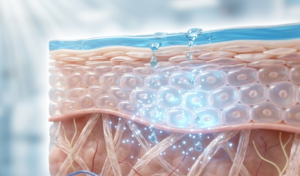
Peptides are short chains of amino acids, the same building blocks that make up proteins in your body. Think of them as tiny messengers. Once inside the body, they signal specific tissues to repair, reduce inflammation, produce collagen, or regulate immune activity. Because they are small and targeted, they can be far more precise than general anti-inflammatory drugs.
When it comes to joint health specifically, peptides work through several key pathways:
- Stimulating growth hormone production, which drives cartilage maintenance and tissue repair
- Reducing inflammatory cytokines at the site of injury or chronic irritation
- Accelerating collagen synthesis, which is essential to healthy cartilage, tendons, and ligaments
- Promoting cell migration and wound healing deep within connective tissue
This is not about masking pain. It is about giving the body better tools to actually fix the problem.
Joint pain affects an enormous portion of the global population. According to the CDC, an estimated 53 million adults in the United States have been diagnosed with some form of arthritis, while the World Health Organization identifies musculoskeletal conditions as the leading contributor to disability worldwide. Traditional options like NSAIDs and corticosteroids carry well-documented long-term risks, which is a big part of what has driven interest in more targeted, tissue-specific approaches like peptide therapy.
For anyone exploring options beyond standard anti-inflammatories, the range of peptides available today offers some genuinely compelling possibilities. The key is understanding which ones are most relevant to joints and connective tissue, and how they work.
The Best Peptides for Joint Pain Relief
Several peptides have received significant research attention for their effects on joints, connective tissue, and musculoskeletal recovery. Here is a breakdown of the most important ones to know about.
BPC-157
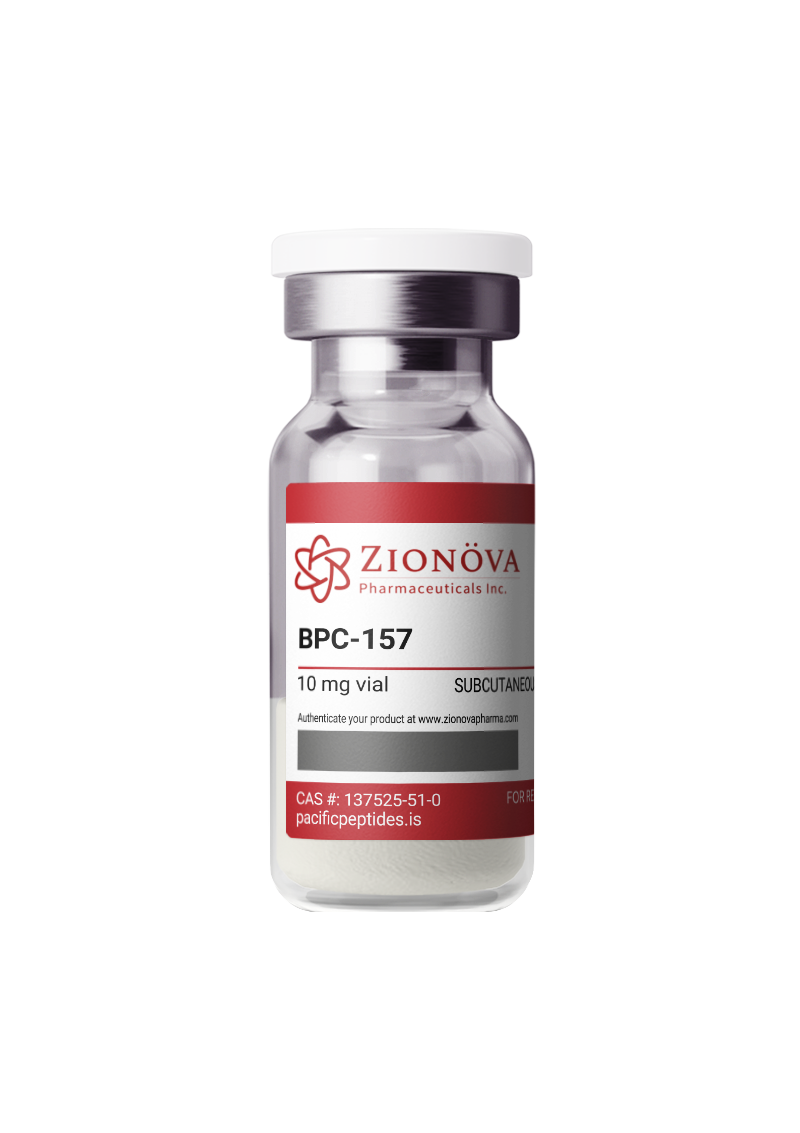
BPC-157, or Body Protection Compound 157, is arguably the most well-studied peptide for joint and tendon repair. It is derived from a protective protein found naturally in gastric juice, and preclinical research has shown it can accelerate healing of tendons, ligaments, muscles, and even bone. Studies in rodent models have demonstrated meaningful regeneration of torn tendons and damaged knee cartilage.
It is available in a few different formats depending on your research needs. The standard injectable BPC-157 is the most widely used format, while BPC-157 oral offers a needle-free option that also supports gut health alongside joint recovery.
TB-500
TB-500 is a synthetic version of Thymosin Beta-4, a naturally occurring peptide involved in tissue building and repair. It works by upregulating actin, a protein critical to cell migration and wound healing. For joints specifically, TB-500 is known for reducing inflammation and supporting repair of connective tissue, tendons, and cartilage throughout the body rather than just at one localized site.
BPC-157 + TB-500 Combined
BPC-157 and TB-500 complement each other well. BPC-157 focuses more on local tissue repair while TB-500 supports broader, systemic healing and inflammation reduction. Rather than sourcing them separately, the BPC-157 + TB-500 combination makes it simple to run both at once.
GHK-Cu (Copper Peptide)
GHK-Cu is a naturally occurring copper-binding peptide with strong activity in stimulating collagen and glycosaminoglycan synthesis, two structural components essential to healthy cartilage and connective tissue. Research published in BioMed Research International highlighted GHK-Cu’s role in tissue remodeling and wound repair. It is available in both a standard and larger format for extended protocols.
CJC-1295 and Ipamorelin
These two peptides are often used together to stimulate growth hormone release. Elevated GH and IGF-1 levels are directly tied to cartilage maintenance, collagen turnover, and the body’s overall capacity to repair joint tissue. The CJC-1295 without DAC + Ipamorelin combination is a convenient ready-made option, or you can source Ipamorelin and CJC-1295 with DAC individually for more flexibility in dosing.
The GLOW Stack and Recovery Stack
For a more complete approach, the GLOW stack combining BPC-157, GHK-Cu, and TB-500 covers local repair, collagen synthesis, and systemic healing in one product. Alternatively, the Injury Repair and Recovery Stack is purpose-built for musculoskeletal recovery and is a great starting point if you want a pre-packaged protocol rather than building your own.
How to Get Started: What Beginners Need to Know
Starting with peptides does not have to be complicated. Here is a simple breakdown of what to expect.
Step 1: Reconstitution
Most peptides come as a lyophilized (freeze-dried) powder and need to be mixed with bacteriostatic water before use. Bacteriostatic water keeps the solution sterile and stable for weeks after mixing.
Step 2: Gather Your Supplies
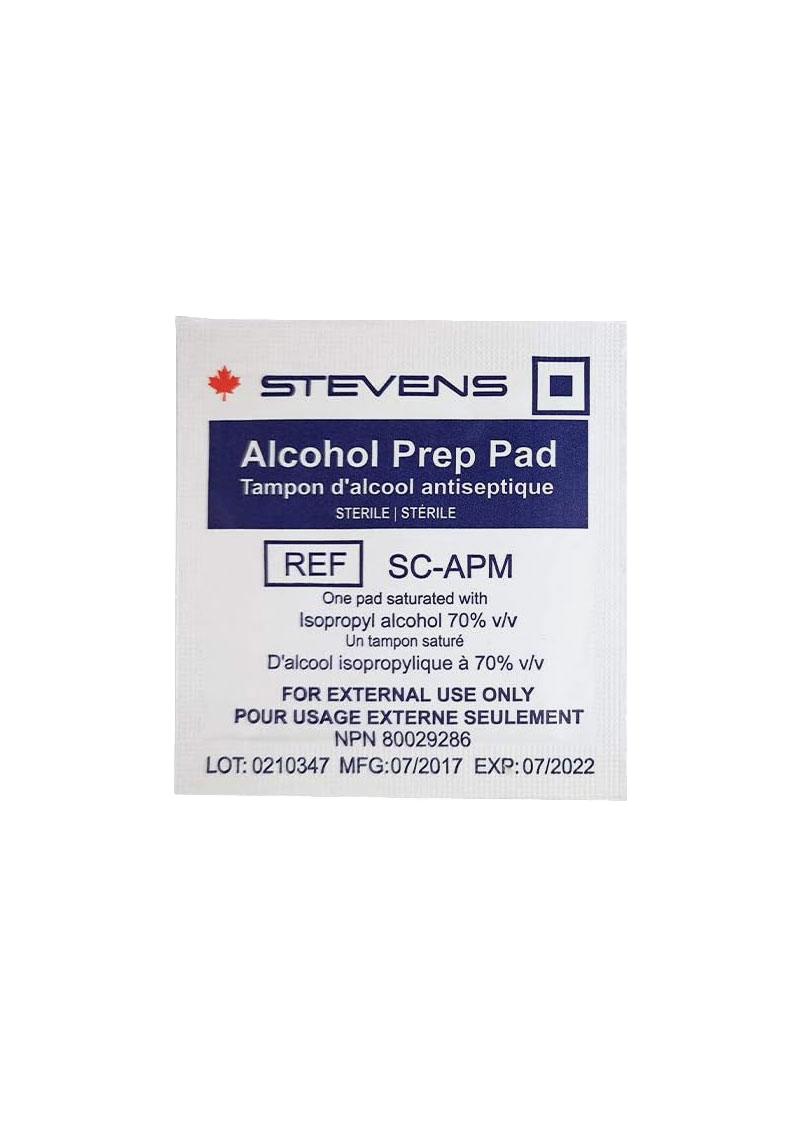
Clean, sterile technique matters. You will need:
Step 3: Understand Basic Research Protocols
General starting points used in research settings include:
- BPC-157: Administered subcutaneously once daily, ideally near the site of injury for localized effect
- TB-500: Used in a loading phase of two injections per week, tapering to a maintenance dose after four to six weeks
- GHK-Cu: Typically administered once daily as part of a collagen and tissue support protocol
- CJC-1295 + Ipamorelin: Injected two to three times daily, commonly before sleep to align with natural growth hormone pulses
A Few Important Points Before You Start
- Peptides sold for research are not FDA-approved for human therapeutic use in most countries
- Always speak with a qualified healthcare professional before starting any protocol
- Start conservatively and assess your response before making any adjustments
- Product quality is everything. Poorly sourced peptides can be underdosed, contaminated, or mislabeled. Using a reputable, third-party-tested supplier protects your results and your safety
Wrapping Up
Peptides represent a genuinely exciting frontier for anyone dealing with joint pain and looking for approaches that work with the body’s own repair systems rather than simply suppressing symptoms. Compounds like BPC-157, TB-500, GHK-Cu, and CJC-1295 + Ipamorelin each offer distinct mechanisms that, used thoughtfully, may support meaningful improvements in joint health, mobility, and recovery. The research base is growing, and high-quality products are more accessible than ever. Browse the full range at Pacific Peptides or reach out to the team if you have questions about where to start.