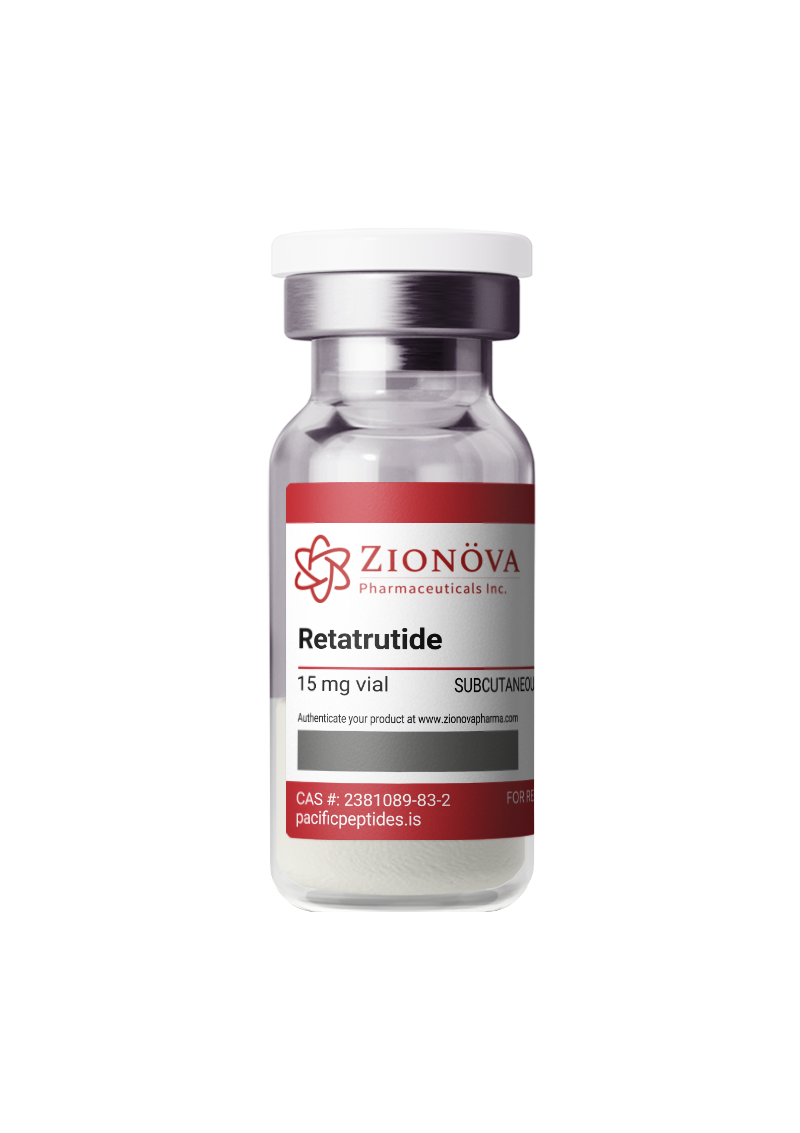
As metabolic peptides and weight loss medications become more widely used, one concern continues to surface among patients, clinicians, and researchers alike: muscle loss. While fat loss is often the goal, muscle plays a far more important role in long-term health than many people realize. It supports metabolic function, stabilizes blood sugar, protects mobility, and plays a central role in maintaining weight loss over time. Retatrutide, a next-generation metabolic peptide has generated significant interest because of its potent fat loss effects. With that interest comes an understandable question. Does retatrutide lead to muscle loss, or does it behave differently than earlier weight loss therapies? The answer is not a simple yes or no. Understanding muscle outcomes requires looking at basic physiology, behavioural factors, and how retatrutide works at a metabolic level.
Why Muscle Loss Occurs During Weight Loss
Muscle loss is not unique to any one drug, peptide, or intervention. It is a predictable biological response when the body loses weight without receiving the proper signals to maintain muscle tissue. Muscle is metabolically costly. It requires sufficient energy intake, adequate protein, and consistent mechanical stimulation through movement or resistance.
From a biological standpoint, muscle maintenance depends on three primary inputs:
- Adequate energy availability
- Sufficient dietary protein
- Regular mechanical stress through movement or resistance
When body weight drops rapidly, particularly during aggressive calorie restriction, the body begins to reassess which tissues are essential for survival. If muscle is not being used or supported nutritionally, it is viewed as expendable.
This phenomenon has been observed across many forms of weight loss, including:
- Extreme or prolonged dieting
- Bariatric surgery
- Prolonged illness or bed rest
- Sedentary weight loss programs
Early GLP-1 research highlighted this pattern clearly. In several trials, a significant portion of weight lost came from lean mass rather than fat alone. In some cases, lean mass represented up to 30 to 40 percent of total weight loss. This raised concern, but the context matters. Many participants were sedentary, consuming sharply reduced calories, and failing to meet protein needs. Under those conditions, muscle loss is not only possible, it is expected.
As body mass decreases, the mechanical demand placed on muscle also declines. Without intentional movement or resistance training, the body receives a strong signal that less muscle is required. No medication can override that fundamental physiological rule.
How Retatrutide Works Differently at a Metabolic Level
Retatrutide differs from earlier weight loss therapies because it is not limited to a single hormonal pathway. It acts as a multi-receptor agonist, engaging several metabolic systems at once, including:
- GLP-1 pathways involved in appetite regulation and glucose control
- GIP pathways that influence insulin sensitivity and nutrient handling
- Glucagon pathways that affect energy availability and fat metabolism
This multi-pathway activity changes how the body uses energy, not just how much food is consumed. Rather than forcing weight loss through restriction alone, retatrutide appears to improve metabolic efficiency and promote fat oxidation.
This distinction matters because fat loss and muscle loss are regulated by different biological mechanisms.
Fat loss is primarily influenced by:
- Insulin sensitivity
- Hormonal signalling
- Overall energy balance
Muscle preservation, on the other hand, depends on:
- Mechanical load
- Protein availability
- Anabolic signalling
- Neuromuscular demand
Retatrutide strongly improves the metabolic conditions that favour fat loss without directly suppressing the systems responsible for maintaining muscle. As a result, muscle outcomes are heavily influenced by behaviour.
In advanced body composition analyses, some individuals using retatrutide have demonstrated:
- Significant reductions in fat mass
- Relatively stable total body weight
- Preservation or modest increases in lean tissue
This does not suggest that retatrutide builds muscle directly. Instead, it indicates that improved insulin sensitivity, cellular energy production, and metabolic flexibility may allow the body to better maintain muscle when appropriate nutrition and training are present.
Why Muscle Preservation Matters for Long-Term Health
Muscle is often discussed in terms of strength or appearance, but its most important role is metabolic. Skeletal muscle functions as a major regulator of glucose metabolism and overall metabolic health.
Muscle plays a key role in:
- Blood sugar regulation and insulin sensitivity
- Cardiovascular health
- Energy levels and fatigue resistance
- Long-term weight maintenance
Losing muscle makes it harder to keep fat off over time. Preserving muscle improves metabolic resilience and supports healthier ageing outcomes.
One of the lesser-known advantages of retatrutide’s multi-pathway action is its effect on blood sugar stability. Rather than creating sharp highs and lows, it appears to promote smoother glucose control and improved cellular uptake. Stable energy availability is critical during weight loss, as low energy states increase the risk of muscle breakdown.
Emerging evidence also suggests that GLP-1 based therapies may reduce systemic inflammation. Lower inflammation can:
- Improve joint comfort
- Enhance recovery capacity
- Support consistency with physical activity
For individuals with joint pain or mobility limitations, this reduction in inflammatory signalling may indirectly help preserve muscle by making regular movement and resistance training more achievable.
There is also a behavioural component. GLP-1 receptors in the brain influence appetite regulation, impulse control, and reward signalling. Reduced food noise can make it easier to:
- Consume adequate protein
- Maintain structured training routines
- Avoid extreme restriction cycles
These behavioural factors play a significant role in long-term muscle preservation.
Conclusion
Retatrutide does not inherently cause muscle loss. Muscle loss occurs when key physiological requirements are not met.
Most commonly, muscle loss occurs when:
- Calorie intake drops too low for too long
- Protein intake is insufficient
- The body is not challenged through resistance or movement
When retatrutide is combined with adequate protein intake, resistance training, and supportive metabolic conditions, it appears to favour fat loss while preserving lean tissue more effectively than earlier weight loss approaches.
Muscle is not something to sacrifice in the pursuit of weight loss. It is a critical organ for long-term health, metabolic stability, and sustainable results. Used intelligently, retatrutide can support improved body composition rather than undermine it. If you have any questions regarding retatrutide or any other peptides, our customer support team here at Pacific Peptides is here to help!