The standard treatments for gum disease, such as scaling, root planing, antibiotics, and surgery, focus on managing the infection and removing damaged tissue. But a growing area of research is asking a different question: what if the tissue itself could be encouraged to repair and regenerate more effectively? That is where GHK-Cu enters the conversation. This naturally occurring copper peptide has attracted serious scientific attention for its role in wound healing, inflammation regulation, and tissue regeneration, and researchers are beginning to examine what it might mean specifically for oral and periodontal health.
What Is GHK-Cu and How Does It Work?
GHK-Cu stands for glycyl-L-histidyl-L-lysine copper, a tripeptide that occurs naturally in human plasma, saliva, and urine. It was first identified in the 1970s and has since been the subject of hundreds of studies examining its biological activity. The copper component is not incidental. Copper is an essential trace mineral involved in collagen synthesis, antioxidant defense, and enzymatic function throughout the body. When bound to the GHK peptide, it becomes significantly more bioavailable and biologically active than copper alone.
At the cellular level, GHK-Cu works through several mechanisms that are directly relevant to tissue health:
- It stimulates collagen and glycosaminoglycan production, which are the structural building blocks of healthy gum tissue and connective tissue
- It activates wound healing genes and promotes the migration of repair cells to damaged areas
- It reduces inflammation by downregulating pro-inflammatory cytokines including TNF-alpha and interleukin-6
- It promotes angiogenesis, the growth of new blood vessels, which improves circulation to healing tissue
- It has demonstrated antioxidant activity, reducing oxidative stress in damaged tissue
According to research published by BioMed Research International, GHK-Cu consistently demonstrates the ability to accelerate tissue repair and modulate inflammation across a wide range of tissue types. These are precisely the mechanisms that matter most in the context of gum disease, where chronic inflammation and tissue breakdown are the defining features of the condition.
The Connection Between GHK-Cu and Gum Disease
To understand why GHK-Cu is relevant to periodontal disease, it helps to understand what gum disease actually does to tissue. Gum disease is one of the most common chronic conditions in the world, affecting nearly half (42%) of adults over the age of 30 according to the Centers for Disease Control and Prevention. Periodontal disease is not simply an infection. It is an inflammatory condition in which the immune system’s response to bacterial biofilm in the gum pocket causes progressive destruction of the periodontal ligament, alveolar bone, and the soft tissue that holds teeth in place. The bacterial load triggers the problem, but it is chronic inflammation that does the lasting structural damage.
This is where GHK-Cu’s anti-inflammatory and regenerative profile becomes particularly interesting. Several of its core mechanisms map directly onto the pathology of periodontal disease.
Collagen and Connective Tissue Repair
The periodontal ligament that anchors teeth to bone is a collagen-rich structure. Gum disease progressively breaks this down. GHK-Cu’s well-documented ability to stimulate collagen synthesis and activate fibroblasts, the cells responsible for producing connective tissue, makes it a highly relevant candidate for supporting repair in this specific structure. Research has shown that GHK-Cu can increase collagen production by up to 70% in certain tissue environments, which is a substantial effect when the primary damage in periodontal disease is collagen degradation.
Inflammation Modulation
Chronic inflammation is the engine of periodontal tissue destruction. GHK-Cu has been shown to downregulate the same inflammatory pathways that drive periodontal breakdown, including TNF-alpha and several interleukins that are elevated in active gum disease. By modulating rather than simply suppressing inflammation, GHK-Cu supports a more controlled and productive healing environment rather than simply blunting the immune response entirely.
Antimicrobial Activity
Research reviewed by the National Institutes of Health has documented GHK-Cu’s antimicrobial properties, including activity against certain bacterial strains relevant to oral health. While it is not a replacement for conventional antibacterial treatments, this activity adds another layer of relevance to its potential application in periodontal environments where bacterial load is a primary driver of ongoing inflammation.
Wound Healing and Tissue Regeneration
Following periodontal procedures such as scaling and root planing or surgical debridement, the quality and speed of tissue healing directly influences the outcome. GHK-Cu’s established role in accelerating wound healing and promoting tissue regeneration makes it a logical adjunct consideration in post-procedural recovery contexts. It supports the migration of epithelial cells and fibroblasts to the wound site, promotes new blood vessel formation to improve nutrient delivery, and helps regulate the remodeling phase of healing.
For those exploring broader recovery and regeneration protocols alongside GHK-Cu, complementary peptides worth considering include:
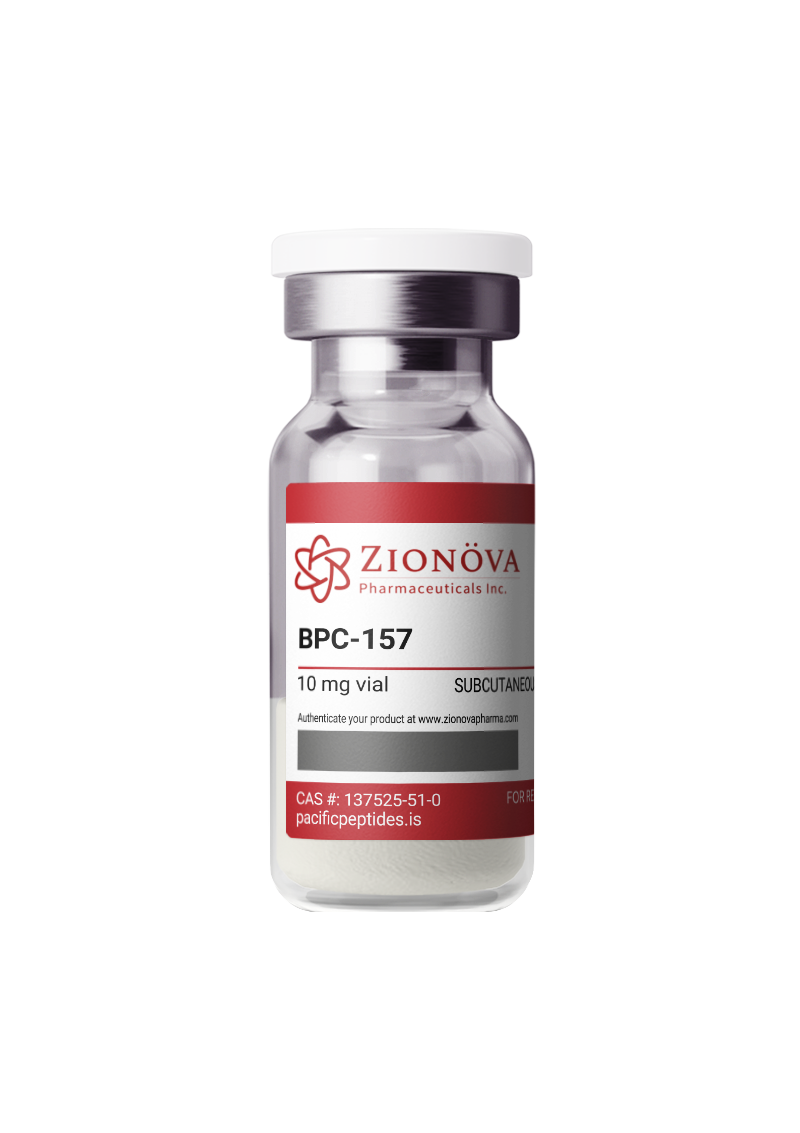
- BPC-157 is one of the most researched repair peptides available and pairs naturally with GHK-Cu for tissue healing goals
- TB-500 supports cellular repair and actin upregulation, complementing GHK-Cu’s collagen-focused mechanisms
- KPV is a potent anti-inflammatory tripeptide with mucosal and systemic applications relevant alongside GHK-Cu for inflammatory conditions
- LL-37 is an antimicrobial peptide that has been specifically studied in oral health and periodontal environments
- The GLOW stack combines GHK-Cu with BPC-157 and TB-500 for a comprehensive tissue repair and recovery approach
Practical Considerations for Use
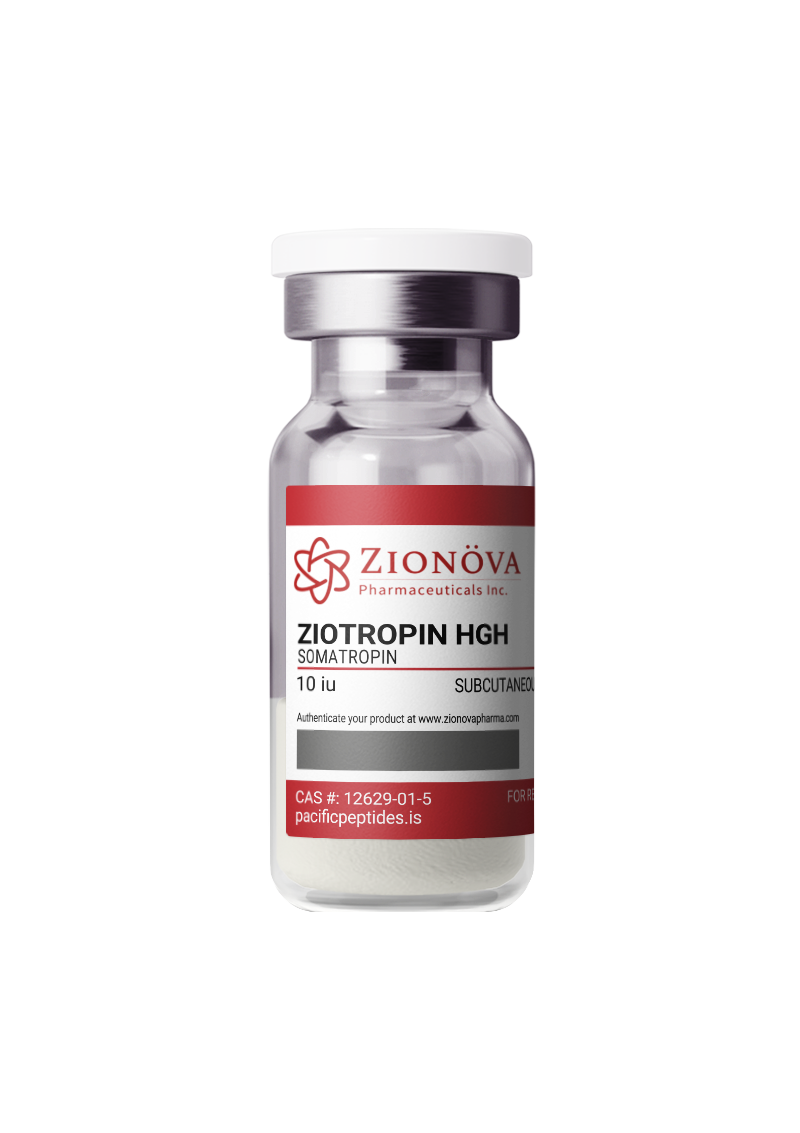
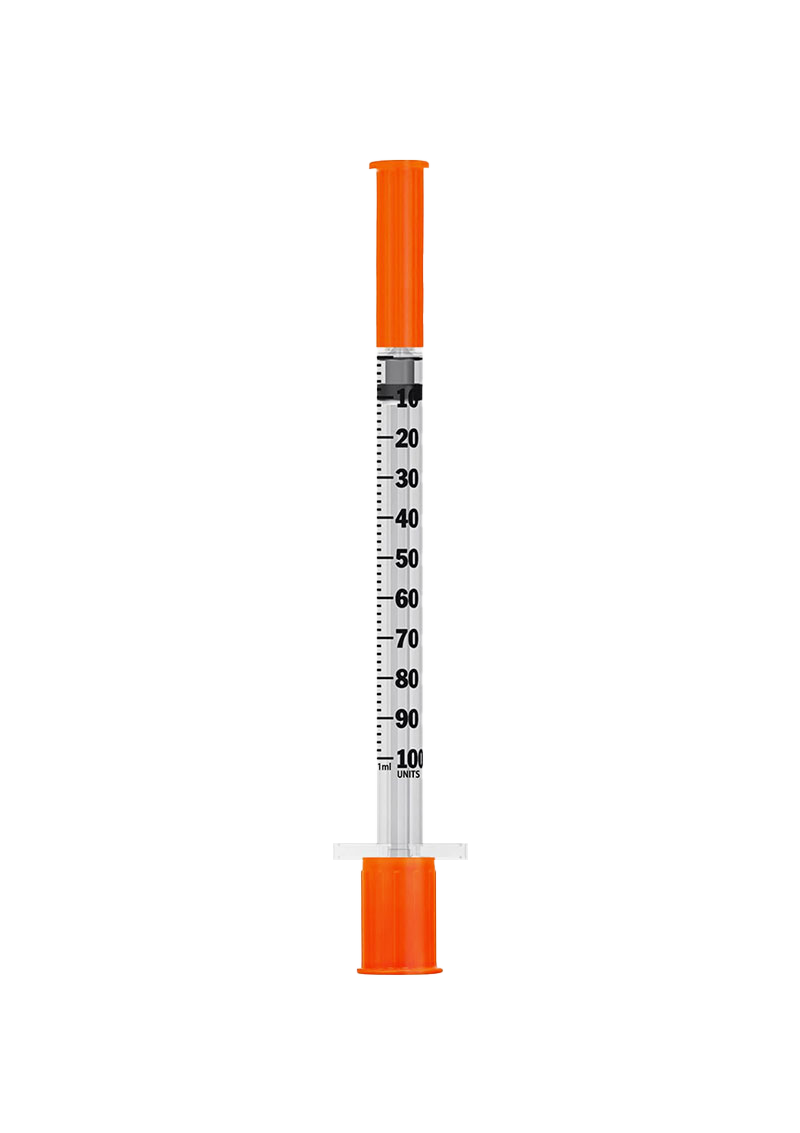
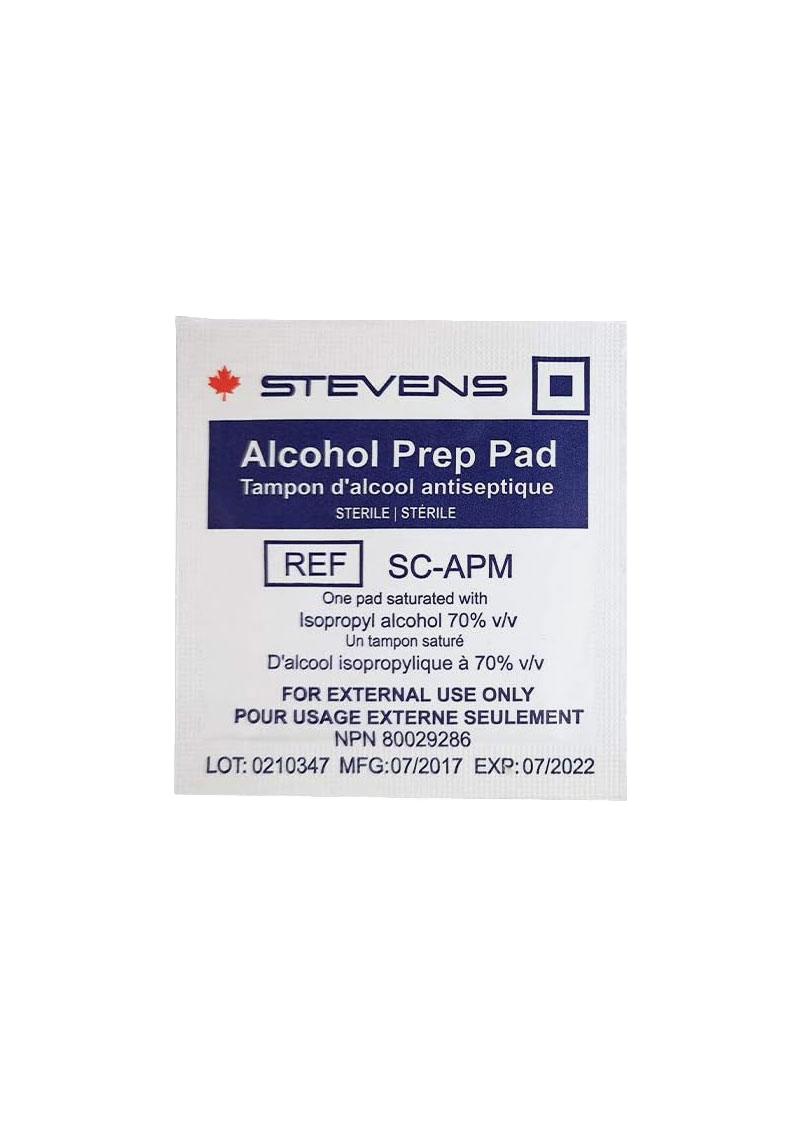
GHK-Cu is typically administered via subcutaneous injection, which requires proper preparation and handling. Bacteriostatic water is the standard reconstitution solution, and alcohol prep pads are an essential part of safe injection practice. For those newer to peptide administration, insulin syringes make subcutaneous dosing straightforward and comfortable.
GHK-Cu is also available in a 100mg format for those working with higher dose protocols or longer research periods. Those building out a broader anti-aging or regenerative protocol can also explore the Rejuvenation Stack and Anti-Aging Longevity Stack, both of which incorporate GHK-Cu alongside other synergistic compounds.
What the Research Says and Where It Stands
It is important to be clear that the research on GHK-Cu specifically in periodontal applications is still developing. The majority of the mechanistic evidence comes from wound healing, skin regeneration, and general tissue repair research rather than large-scale clinical trials in periodontal patients. What the existing evidence does establish clearly is that the biological mechanisms GHK-Cu operates through, collagen synthesis, inflammation modulation, wound healing acceleration, and antimicrobial activity, are directly relevant to the pathology of gum disease.
A comprehensive review published in biomolecules examined the broad regenerative activity of GHK-Cu across tissue types, noting its ability to reset gene expression in aging and damaged cells toward a healthier, more youthful pattern. This gene-level activity is particularly significant because it suggests GHK-Cu is not simply masking symptoms of tissue breakdown but actively influencing the biological processes that drive repair and regeneration from the ground up.
Conclusion
For anyone already managing gum disease with conventional treatment, GHK-Cu represents an area of genuine research interest rather than speculative wellness territory. Explore recovery peptides at Pacific Peptides to find the right compounds for your recovery goals. Contact us to find out which protocol best fits your needs.